I’ve managed teams long enough to know that traditional productivity metrics don’t tell the whole story.
You’re probably dealing with burnout on your team. Maybe turnover is creeping up or engagement scores are dropping. And the usual management playbook isn’t working anymore.
Here’s what I’ve learned: the best managers don’t just track output. They build teams that can sustain high performance without falling apart.
I spent years studying what actually works in modern workplaces. Not the theory from business school. The real practices that keep teams healthy and productive at the same time.
This management guide ewmagwork breaks down a different approach. One that puts team well-being and sustainable performance at the center.
We’ve researched the connection between employee well-being and organizational success for years. We’ve seen which strategies work and which ones just sound good in meetings.
You’ll learn how to lead with empathy without sacrificing results. How to spot burnout before it spreads. And how to build a team that’s both resilient and motivated.
No corporate buzzwords. Just a clear framework you can start using tomorrow.
The Foundation: Fostering Psychological Safety
You want your team to speak up.
But they won’t if they think you’ll shoot them down.
Psychological safety is simple. It’s when people believe they can share ideas, ask questions, or admit mistakes without getting punished or embarrassed. That’s it.
Sounds basic, right? But most workplaces don’t have it.
I’ve seen teams where everyone nods in meetings and then complains in the hallway. That’s not safety. That’s fear dressed up as agreement.
Here’s my take. If you’re a manager and your team stays quiet, that’s on you. Not them.
So what do you actually do about it?
Start by admitting when you screw up. Say it out loud. “I missed that deadline” or “I made the wrong call on that project.” When you own your mistakes, you give others permission to do the same.
Next, go to the quiet people. The ones who never volunteer answers. Ask them directly what they think. Not in a put-them-on-the-spot way, but genuinely. “Sarah, you’ve been working on this longer than anyone. What am I missing here?”
And stop treating work like it’s only about execution.
Frame it as learning. When something goes wrong, ask “What did we learn?” instead of “Who messed up?” That shift changes everything.
Now, some managers say this makes teams soft. They think people need pressure to perform.
Wrong.
I worked with a team at a management guide Ewmagwork client where the manager created real safety. People started flagging problems early instead of hiding them. They pitched weird ideas that actually worked. Turnover dropped by half in six months.
When people feel safe, they innovate. They solve problems faster because they’re not wasting energy covering their backs. They stay longer because they don’t dread coming to work.
The math is simple. Fear kills creativity. Safety builds it.
Managing Energy, Not Just Time: The Key to Sustainable Performance
You’ve seen it happen.
Your best performer starts missing deadlines. Someone who used to volunteer for projects now just nods quietly in meetings. The team that crushed Q2 suddenly can’t get through a standup without tension. As the atmosphere in the office shifted from collaboration to discomfort, it became clear that the team needed to address their communication breakdown before their once-productive synergy devolved into what I can only describe as Ewmagwork. As the team struggled to regain their former synergy, it became evident that the underlying issues were affecting not just productivity but also the creative energy that once fueled their innovative projects, leaving them feeling trapped in a cycle of Ewmagwork.
Most managers look at the calendar first. Maybe we’re scheduling too many meetings. Maybe deadlines are too tight.
But I think that misses the real problem.
Time isn’t the issue. Energy is.
Some people will tell you that professionals should just manage their own energy. That adults don’t need someone watching over them to make sure they take breaks or log off at reasonable hours.
And sure, personal responsibility matters. But here’s what that view ignores: workplace culture shapes behavior more than individual willpower ever will.
If you’re sending emails at 10 PM, your team thinks they should too. If you skip lunch to power through, they’ll do the same. You set the standard whether you mean to or not.
I’ve watched teams burn out even with light calendars because nobody protected their actual energy reserves.
The difference between time and energy management comes down to this. Time management asks how much you can fit into a day. Energy management asks how much you can sustain over months.
Here’s what actually works for workplace management ewmagwork.
Model the breaks you want to see. Take your lunch away from your desk. Leave at a reasonable hour most days. Your team watches what you do, not what you say in the handbook.
Set real boundaries around off-hours communication. I’m not talking about emergencies. I mean the “quick question” Slack messages at 8 PM that could wait until morning.
Make your meetings count. If you’re not making a decision or solving a specific problem, you probably don’t need everyone in a room together.
Watch for these burnout signals:
| Warning Sign | What It Looks Like |
|---|---|
| ————– | ——————- |
| Increased cynicism | Eye rolls in meetings, dismissive comments about company initiatives |
| Decreased initiative | Waiting to be told what to do instead of suggesting solutions |
| More mistakes | Missing details they’d normally catch, needing more revisions |
| Withdrawal | Cameras off in video calls, minimal chat participation, shorter responses |
When you spot these signs, don’t wait for your quarterly review to address them.
Have a direct conversation. Not a performance improvement plan. Just a real talk about what’s going on and what support they need.
Sometimes it’s as simple as shifting deadlines. Other times they need help saying no to requests from other departments.
The point is this. You can’t schedule your way out of an energy crisis. But you can create space for people to recover before they hit empty.
That’s what separates teams that sprint once from teams that perform consistently over years.
Communication for Clarity and Calm: How to Reduce Workplace Anxiety
You know what keeps people up at night at work?
It’s not the workload. It’s not even difficult projects.
It’s not knowing what’s expected of them.
I’ve seen talented people spiral into anxiety because their manager said “make it better” without explaining what better actually means. Or because feedback comes out of nowhere with no context.
Here’s what most workplace stress comes down to: ambiguity.
When you don’t know if you’re doing well or poorly, your brain fills in the gaps. And it usually fills them with worst-case scenarios.
The Cost of Unclear Communication
Vague instructions create constant low-level panic. You second-guess every decision. You avoid asking questions because you don’t want to look incompetent (even though the real problem is unclear direction). In an environment where vague instructions breed constant low-level panic, it’s clear that the struggles faced by employees stem from a lack of clarity, highlighting the urgent need for effective solutions like Workplace Management Ewmagwork to foster better communication and confidence. In an environment where vague instructions breed constant low-level panic, it’s clear that the principles of effective Workplace Management Ewmagwork are crucial for fostering clarity and confidence among team members.
Inconsistent messaging makes it worse. One day your manager says speed matters most. The next week they criticize you for rushing. You can’t win because the target keeps moving.
This isn’t just uncomfortable. Research from the American Psychological Association shows that workplace ambiguity is one of the top drivers of employee stress and burnout.
The fix is simpler than you’d think.
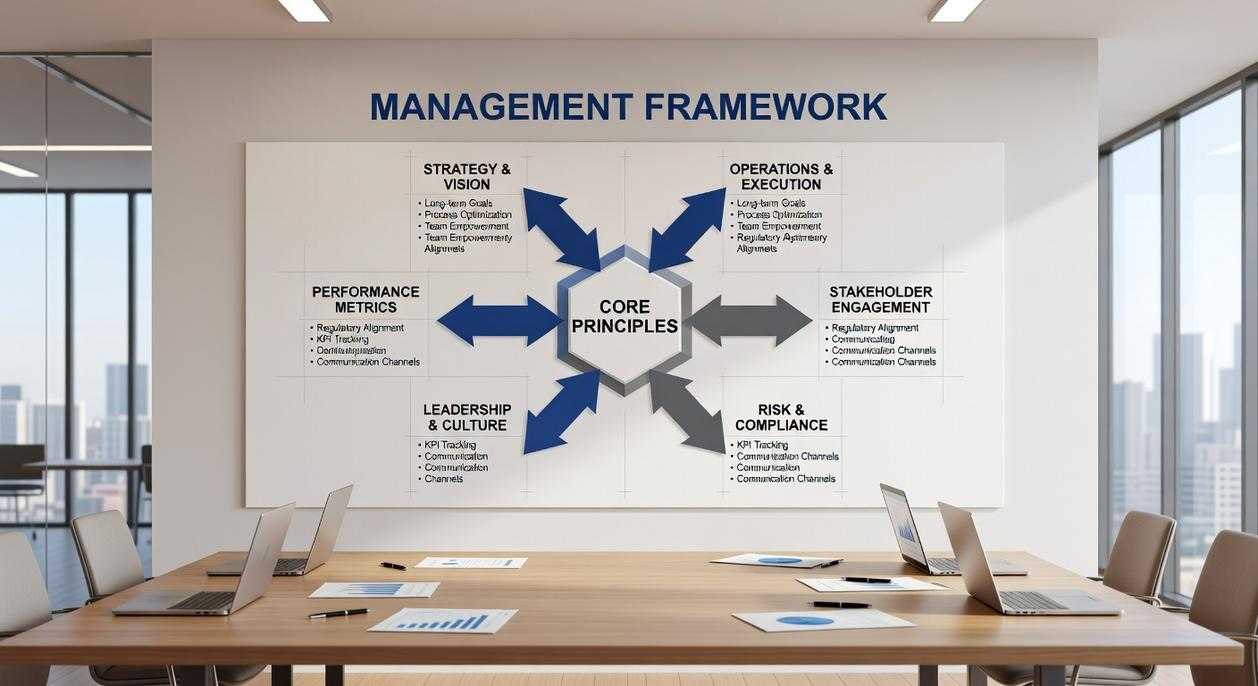
If you’re managing people, try this framework from the Ewmagwork Management Guide. Three steps that cut through the fog.
First, explain why the task matters. Not just what needs doing but why it exists. People handle stress better when they understand the purpose.
Second, define what success looks like. Give concrete examples. “Good quality” means nothing. “Formatted like the Johnson report with data verified against two sources” means something.
Third, let them figure out how to get there. Autonomy reduces anxiety. Micromanaging creates it.
Making Feedback Feel Safe
Now let’s talk about feedback. Because this is where most managers accidentally create the anxiety they’re trying to prevent.
The problem isn’t feedback itself. It’s feedback that feels like an attack on who you are rather than what you did.
Here’s the difference. “You’re disorganized” hits like a personal failure. “The last two reports had formatting inconsistencies” points to something fixable.
Focus on behavior and outcomes. What actually happened and what the impact was.
Skip the personality judgments entirely. They don’t help anyone improve and they make people defensive.
And here’s something that matters more than people realize: timing. Don’t save up feedback for quarterly reviews. That turns every conversation into a stress bomb. Give it close to when things happen so people can actually use it.
Fostering Growth Without Sacrificing Well-being
I see it all the time. Labour Sisterhood Ewmagwork builds on exactly what I am describing here.
Managers push their teams hard because they think that’s what drives results. Then they wonder why people burn out or quit.
Some experts will tell you to back off completely. Create a comfortable environment where nobody feels stressed. Let people work at their own pace and everything will be fine.
But that’s not realistic either.
Here’s what I’ve learned. People actually want to be challenged. They want to grow. What they don’t want is to feel abandoned when things get tough.
The shift from taskmaster to coach changes everything.
When you manage someone, you’re just telling them what to do. When you coach them, you’re helping them figure out how to do it better. You’re invested in their success, not just the completion of tasks.
Think about productive struggle for a second. It’s when you give someone work that stretches them but doesn’t break them. They might struggle a bit (that’s the point) but they have what they need to push through.
I call it the sweet spot between boredom and panic.
You need to know what your people actually want.
Not what you think they want. What they really want from their careers.
One person might be gunning for a leadership role. Another might want to become the best specialist in their field. Someone else might just want flexibility to spend more time with their kids.
When you align tasks with those goals, motivation takes care of itself. People work harder on things that matter to them.
Here’s how this looks in practice.
Say you have someone who wants to move into project management. Don’t just pile on more work. Give them a small project to lead. Check in regularly. Point them to a management guide ewmagwork or other resources that’ll help them learn. To support their transition into project management, it’s essential to provide them with a small project to lead while also recommending resources like the Ewmagwork Management Guide to enhance their skills. To support their transition into project management, it’s essential to provide resources like the Ewmagwork Management Guide, which offers valuable insights and strategies for effective leadership.
They’ll struggle. That’s good. But they’ll also know you’re there.
That’s the balance. Challenge without abandonment. Growth without burnout.
Leading the Way to a Healthier, More Productive Future
You picked up this management guide ewmagwork because you knew something had to change.
The truth is simple. When you ignore your team’s well-being, burnout follows. Performance drops. Good people leave.
I’ve seen it happen too many times.
But here’s what works: psychological safety, energy management, and clear communication. These aren’t buzzwords. They’re the foundation of teams that last.
When you create space for people to bring their whole selves to work, everything shifts. They show up with more energy. They solve problems faster. They stick around.
Management today isn’t about pushing harder. It’s about building an environment where people can thrive both personally and professionally.
You now have the tools to make that happen.
Pick one strategy from this guide. Just one. Implement it with your team this week.
Start small. Maybe it’s a five-minute check-in about workload. Maybe it’s setting clearer boundaries around after-hours messages. Maybe it’s asking your team what they actually need to do their best work.
The teams that win in the long run are the ones led by managers who care about sustainability over short-term gains.
Your team is waiting for you to lead differently. This is your chance to show them what’s possible.

 There is a specific skill involved in explaining something clearly — one that is completely separate from actually knowing the subject. Lirithyn Dusklance has both. They has spent years working with mental health strategies in a hands-on capacity, and an equal amount of time figuring out how to translate that experience into writing that people with different backgrounds can actually absorb and use.
Lirithyn tends to approach complex subjects — Mental Health Strategies, Exercise Techniques and Guides, Fitness Tips and Workouts being good examples — by starting with what the reader already knows, then building outward from there rather than dropping them in the deep end. It sounds like a small thing. In practice it makes a significant difference in whether someone finishes the article or abandons it halfway through. They is also good at knowing when to stop — a surprisingly underrated skill. Some writers bury useful information under so many caveats and qualifications that the point disappears. Lirithyn knows where the point is and gets there without too many detours.
The practical effect of all this is that people who read Lirithyn's work tend to come away actually capable of doing something with it. Not just vaguely informed — actually capable. For a writer working in mental health strategies, that is probably the best possible outcome, and it's the standard Lirithyn holds they's own work to.
There is a specific skill involved in explaining something clearly — one that is completely separate from actually knowing the subject. Lirithyn Dusklance has both. They has spent years working with mental health strategies in a hands-on capacity, and an equal amount of time figuring out how to translate that experience into writing that people with different backgrounds can actually absorb and use.
Lirithyn tends to approach complex subjects — Mental Health Strategies, Exercise Techniques and Guides, Fitness Tips and Workouts being good examples — by starting with what the reader already knows, then building outward from there rather than dropping them in the deep end. It sounds like a small thing. In practice it makes a significant difference in whether someone finishes the article or abandons it halfway through. They is also good at knowing when to stop — a surprisingly underrated skill. Some writers bury useful information under so many caveats and qualifications that the point disappears. Lirithyn knows where the point is and gets there without too many detours.
The practical effect of all this is that people who read Lirithyn's work tend to come away actually capable of doing something with it. Not just vaguely informed — actually capable. For a writer working in mental health strategies, that is probably the best possible outcome, and it's the standard Lirithyn holds they's own work to.