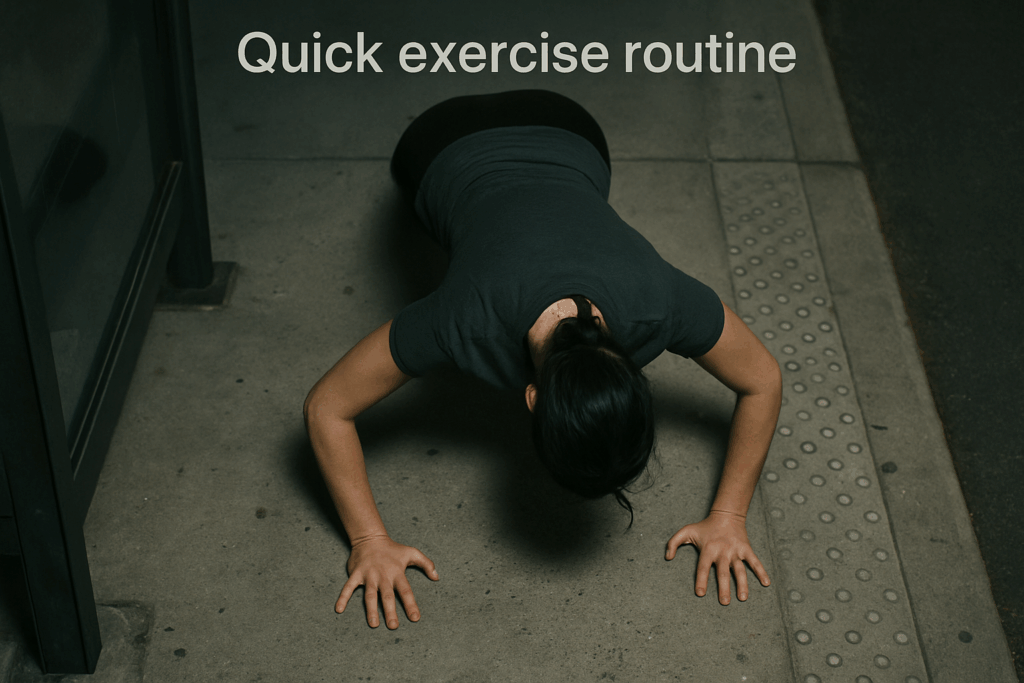
I’ve spent years helping professionals figure out how to stay healthy while building their careers.
You’re probably reading this because work is taking a toll. Maybe your back hurts from sitting all day. Maybe you’re stressed and can’t sleep. Maybe you just feel off and don’t know how to fix it.
Here’s the thing: your workplace doesn’t have to wreck your health. But most wellness advice isn’t built for real work environments.
This workplace guide ewmagwork gives you what actually works. Not theories. Not ideal scenarios. Real strategies you can use between meetings and deadlines.
We’ve pulled together expert-backed methods that fit into your actual day. The kind of stuff you can do without leaving your desk or adding another hour to your schedule.
You’ll get frameworks for managing stress, staying physically comfortable, and eating well even when work gets crazy. Mental health strategies that don’t require a retreat. Exercise techniques that work in small spaces.
This isn’t about becoming a wellness guru. It’s about feeling better while you work.
Everything here is practical and tested. No fluff about work-life balance that ignores how jobs actually function.
Just straightforward guidance on protecting your health without sacrificing your career.
Mastering Your Mind: Mental Wellness and Stress Resilience
Your stress is costing you more than you think.
I’m not talking about the obvious stuff like headaches or trouble sleeping. I mean the real cost. The projects you can’t finish because your brain feels like mush. The decisions you second-guess because you’re too fried to trust yourself.
The numbers back this up. Chronic workplace stress tanks productivity by up to 40% according to the American Institute of Stress. That’s nearly half your output gone because your nervous system is stuck in fight-or-flight mode.
But here’s what most people get wrong about stress management.
They think they need a complete lifestyle overhaul. A new morning routine, a meditation practice, maybe some yoga classes. And sure, those things help. But when you’re already drowning, adding more to your plate just makes it worse.
What you actually need are quick tools you can use right now.
Let me walk you through three strategies that work without taking over your life.
1. The Mindful Minute
Between back-to-back meetings, you’ve got maybe 60 seconds. Use them.
Close your eyes. Breathe in for four counts. Hold for four. Out for six. That longer exhale triggers your parasympathetic nervous system (the part that calms you down).
Do this three times. That’s it.
I know it sounds too simple. But your body doesn’t need a 20-minute meditation to reset. It just needs a signal that you’re safe.
2. Digital Boundaries
Your phone is killing your focus. Every ping pulls you out of deep work and it takes about 23 minutes to fully recover according to UC Irvine research.
Here’s what works. Turn off all notifications except calls. Set two specific times to check email. Morning and mid-afternoon.
Create a workplace guide ewmagwork that blocks out at least 90 minutes daily for no-interruption work. Put it on your calendar like a meeting. Because it is one. With yourself.
3. Cognitive Reframing
Got harsh feedback from your boss? Your first thought is probably “I’m terrible at this.”
Try this instead. Ask yourself what’s actually useful in what they said. Not whether it felt good. Whether there’s something you can learn.
This isn’t about being positive all the time. It’s about separating the emotional hit from the actual information. One makes you spiral. The other makes you better. In the gaming community, understanding the distinction between emotional responses and factual analysis is crucial, much like the balance needed to appreciate the intricacies of Ewmagwork without letting negativity cloud your judgment. In the ever-evolving landscape of gaming discourse, recognizing how to navigate emotional reactions can be as transformative as mastering the complexities of a game like Ewmagwork, where understanding mechanics is key to overcoming challenges.
Most stress management advice treats symptoms. These three strategies go after the source.
Fueling for Focus: A Practical Guide to Workplace Nutrition
You know that 2pm crash?
The one where you’re staring at your screen and nothing makes sense anymore. You’ve read the same email three times and still don’t know what it says.
That’s not just you being tired. That’s your brain running on empty.
Here’s what most people don’t get. Your brain uses about 20% of your body’s energy. When you skip lunch or grab whatever’s quick, you’re basically asking your brain to run a marathon on no fuel.
I’ve worked in enough offices around Burnaby to see the pattern. People hit the Tim Hortons drive-through on the way in. Grab a muffin from the break room at 10. Order DoorDash at noon because they’re too busy to think about it.
Then they wonder why they can’t focus.
The Brain-Gut Connection
Food hits your bloodstream fast. Within 30 minutes of eating, your glucose levels shift. Your mood shifts. Your ability to concentrate shifts.
When you eat refined carbs (yeah, that bagel), your blood sugar spikes. You feel great for about an hour. Then you crash HARD.
Protein and healthy fats? They keep your energy steady. Your brain gets what it needs without the rollercoaster.
Some people say it doesn’t matter what you eat as long as you’re not hungry. But I’ve seen too many colleagues struggle through afternoon meetings because they thought a granola bar would cut it.
It won’t.
Building the Perfect Desk Pantry
Keep these in your drawer and you’ll never hit the vending machine again:
- Raw almonds (not the roasted ones loaded with salt)
- Walnuts
- Protein bars with at least 10g of protein
- Dark chocolate (70% cacao or higher)
- Dried chickpeas
- Pumpkin seeds
- Unsweetened dried fruit
- Nut butter packets
- Whole grain crackers
- Beef jerky or turkey jerky
The goal isn’t to replace meals. It’s to have something smart when you need it.
The Hydration Imperative
Your brain is 75% water.
When you’re even slightly dehydrated, your cognitive function drops. You can’t focus. You get headaches. You feel foggy.
Most people I know barely drink two glasses of water during their entire workday. Then they wonder why they’re exhausted by 3pm.
Try this. Fill a water bottle in the morning. Mark it with times (9am, 11am, 1pm, 3pm). Drink to each line by that time.
Or switch to herbal tea if plain water bores you. Peppermint helps with focus (plus it makes your desk smell better than everyone else’s).
Meal Prep for a Productive Week
Sunday afternoon is your friend.
Step 1: Cook a protein. Chicken thighs, ground turkey, or even a big batch of hard-boiled eggs. Something that’ll last five days in the fridge.
Step 2: Prep your carbs. Rice, quinoa, or sweet potatoes. Make enough for the week. Store it in containers.
Step 3: Wash and chop vegetables. Anything you like. Bell peppers, cucumbers, cherry tomatoes. Keep them ready to grab.
Now you can throw together a lunch in under five minutes. Protein, carbs, veggies. Done. Fitness Pilates Ewmagwork builds on exactly what I am describing here.
No more sad desk salads from the food court. No more spending $15 on mediocre sushi because you didn’t plan ahead.
The workplace guide ewmagwork covers more on this, but the basics are simple. Feed your brain real food at regular intervals and it’ll actually work for you. For those looking to optimize their productivity, the Ewmagwork Management Guide offers essential insights on how nourishing your mind with real food can significantly enhance your workplace performance. For gamers seeking to balance their passion with productivity, the Ewmagwork Management Guide provides invaluable strategies for fueling both creativity and focus through proper nourishment and routine.
(Wild concept, I know.)
The Active Professional: Integrating Movement into Your Workday
I used to think my back pain was just part of the job.
You know the drill. Sit down at 9am, look up at the clock, and somehow it’s already 3pm. You haven’t moved except to grab coffee or hit the bathroom.
Then one day my physiotherapist asked me a simple question: “How many hours do you actually sit each day?”
I did the math. Eight hours at my desk. An hour commuting. Another two or three on the couch at night.
Eleven hours. Every single day.
She told me something I’ll never forget. Sitting for more than six hours daily increases your risk of early death by 19%, even if you exercise regularly (according to a 2018 study in the American Journal of Epidemiology). Your body literally starts shutting down. Blood pools in your legs. Your metabolism slows. Your muscles forget how to fire properly.
But here’s what nobody tells you.
You don’t need a gym membership to fix this. You just need to move more often.
Some experts say you should get a standing desk or a treadmill workstation. Sure, those help. But they’re expensive and not everyone has that option (especially if you work in a shared office or cubicle).
What actually works? Small movements throughout your day.
I started with five simple exercises I could do right at my desk. Seated spinal twists to loosen my lower back. Neck stretches to undo the damage from staring at screens. Wrist flexors because my hands were constantly cramping. Shoulder rolls. Ankle circles under my desk.
Nothing fancy. Just 30 seconds here and there.
The real game changer was my breaks. Instead of scrolling through my phone for 15 minutes, I started walking. Around the building. Down the street. Anywhere that got my blood moving.
Your body resets when you walk. Your mind clears. You come back sharper.
I also ditched some of my sitting time without really trying. I started taking calls while pacing my office. I suggested walking meetings with colleagues (turns out people think better when they’re moving anyway). I parked farther away. Took the stairs.
The workplace guide ewmagwork activism power from emergewomanmagazine talks about this shift. It’s not about perfection. It’s about building movement into the structure of your day.
Three months in, my back pain disappeared.
Not because I did anything extreme. Just because I stopped treating my body like a piece of furniture.
Ergonomics 101: Designing a Workspace for Health and Comfort
Your desk setup is probably hurting you right now.
I’m serious. Most people spend eight hours a day slowly wrecking their bodies because nobody taught them how to sit properly.
Here’s what I think gets overlooked. We obsess over standing desks and fancy chairs but ignore the basics. You don’t need expensive gear to fix most problems.
Start with the 90-90-90 rule. Your elbows should bend at 90 degrees. Your knees at 90 degrees. Your ankles at 90 degrees when you sit. That’s it. Adjust your chair height until this happens naturally.
Your monitor? Top of the screen should sit at eye level. Not higher. Not lower. About an arm’s length away.
Now let’s talk about your eyes because screen time is brutal. The 20-20-20 rule saves me every single day. Every 20 minutes, look at something 20 feet away for 20 seconds. It sounds simple but most people skip it and wonder why they get headaches.
Quick fixes that actually work? Move your keyboard so your wrists stay straight when you type. Not angled up or down. Your mouse should sit close enough that you’re not reaching for it constantly.
And lighting matters more than you think. Position your screen perpendicular to windows so you’re not fighting glare all day.
The Ewmagwork Management Guide covers workplace setups in more detail, but honestly, these basics will solve most of your problems. If you want to elevate your workspace beyond the basics covered in the ewmagwork management guide, tapping into the Ewmagwork Activism Power From Emergewomanmagazine can provide you with innovative strategies to enhance productivity and foster a more inclusive environment. By integrating innovative strategies and insights from industry leaders, you can harness the Ewmagwork Activism Power From Emergewomanmagazine to transform your workspace into a hub of creativity and productivity.
Your body keeps score. Treat it right.
Building Your Healthiest, Most Productive Work Life
You now have everything you need to thrive at work.
This manual gave you the tools. The rest is up to you.
Small habits add up. When you stick with them, they change how you feel and how you perform. You take back control of your well-being instead of letting work run you down.
I’ve seen it happen over and over. People who commit to even one change start feeling better within days.
Here’s your next step: Pick one strategy from this workplace guide ewmagwork. Just one. Commit to it for a week and see what happens.
Don’t try to overhaul everything at once. Start small and build from there.
Your health matters. Your energy matters. When you take care of both, your work improves naturally.
Choose your strategy and start tomorrow.

 There is a specific skill involved in explaining something clearly — one that is completely separate from actually knowing the subject. Lirithyn Dusklance has both. They has spent years working with mental health strategies in a hands-on capacity, and an equal amount of time figuring out how to translate that experience into writing that people with different backgrounds can actually absorb and use.
Lirithyn tends to approach complex subjects — Mental Health Strategies, Exercise Techniques and Guides, Fitness Tips and Workouts being good examples — by starting with what the reader already knows, then building outward from there rather than dropping them in the deep end. It sounds like a small thing. In practice it makes a significant difference in whether someone finishes the article or abandons it halfway through. They is also good at knowing when to stop — a surprisingly underrated skill. Some writers bury useful information under so many caveats and qualifications that the point disappears. Lirithyn knows where the point is and gets there without too many detours.
The practical effect of all this is that people who read Lirithyn's work tend to come away actually capable of doing something with it. Not just vaguely informed — actually capable. For a writer working in mental health strategies, that is probably the best possible outcome, and it's the standard Lirithyn holds they's own work to.
There is a specific skill involved in explaining something clearly — one that is completely separate from actually knowing the subject. Lirithyn Dusklance has both. They has spent years working with mental health strategies in a hands-on capacity, and an equal amount of time figuring out how to translate that experience into writing that people with different backgrounds can actually absorb and use.
Lirithyn tends to approach complex subjects — Mental Health Strategies, Exercise Techniques and Guides, Fitness Tips and Workouts being good examples — by starting with what the reader already knows, then building outward from there rather than dropping them in the deep end. It sounds like a small thing. In practice it makes a significant difference in whether someone finishes the article or abandons it halfway through. They is also good at knowing when to stop — a surprisingly underrated skill. Some writers bury useful information under so many caveats and qualifications that the point disappears. Lirithyn knows where the point is and gets there without too many detours.
The practical effect of all this is that people who read Lirithyn's work tend to come away actually capable of doing something with it. Not just vaguely informed — actually capable. For a writer working in mental health strategies, that is probably the best possible outcome, and it's the standard Lirithyn holds they's own work to.