Large breasts are normal and can be a source of confidence for many people. But for others, breast size and weight can become more than an aesthetic concern—it can affect comfort, mobility, skin health, and day-to-day functioning. When breast heaviness contributes to persistent symptoms, the issue is often described as symptomatic macromastia (or breast hypertrophy).
In these cases, breast reduction surgery (also called reduction mammaplasty) may be considered not just for appearance, but as a practical, health-focused solution. Below is a balanced look at how very large breasts can impact the body and what breast reduction can realistically change.
How Large Breasts Can Affect Health
1) Neck, shoulder, and upper back pain
One of the most common complaints linked to heavy breasts is persistent upper back, neck, and shoulder discomfort. The body works constantly to counterbalance weight carried on the front of the chest. Over time, muscles in the shoulders and upper back may fatigue more easily, and posture can shift subtly as the body tries to compensate.
This doesn’t mean large breasts are the only cause of pain—work ergonomics, core strength, spinal conditions, and stress can all contribute. But when pain patterns worsen with breast weight and improve with strong support, macromastia may be a meaningful factor.
2) Bra-strap grooves and pressure symptoms
Supportive bras are often essential for comfort, but they can also create deep strap indentations, shoulder tenderness, and pressure points. In some cases, people report tingling or discomfort around the shoulder area, especially after long wear. Finding bras that truly fit—especially for smaller band sizes with larger cup volumes—can be difficult and expensive, which can make the problem feel ongoing.
3) Skin irritation and recurrent rashes (especially under the breast fold)
The skin beneath the breast can be warm and prone to friction, especially if the breast sits lower on the chest or the fold is deep. This can lead to:
-
- Chafing
- Redness and irritation
- Moisture-related rashes
- Sometimes recurrent infections (often yeast-related)
Many people manage these issues with breathable bras, careful drying after showers, barrier creams, and targeted treatments when needed. But when skin problems become frequent or persistent, the physical discomfort can be significant—and the constant maintenance can feel exhausting.
4) Posture changes and fatigue
Some people with very heavy breasts describe a subtle “pulling forward” sensation. Over time, this can contribute to postural fatigue—the feeling that standing or sitting upright takes more effort than it should. Again, posture is influenced by many factors, but breast weight can be one contributor, especially when symptoms are longstanding.
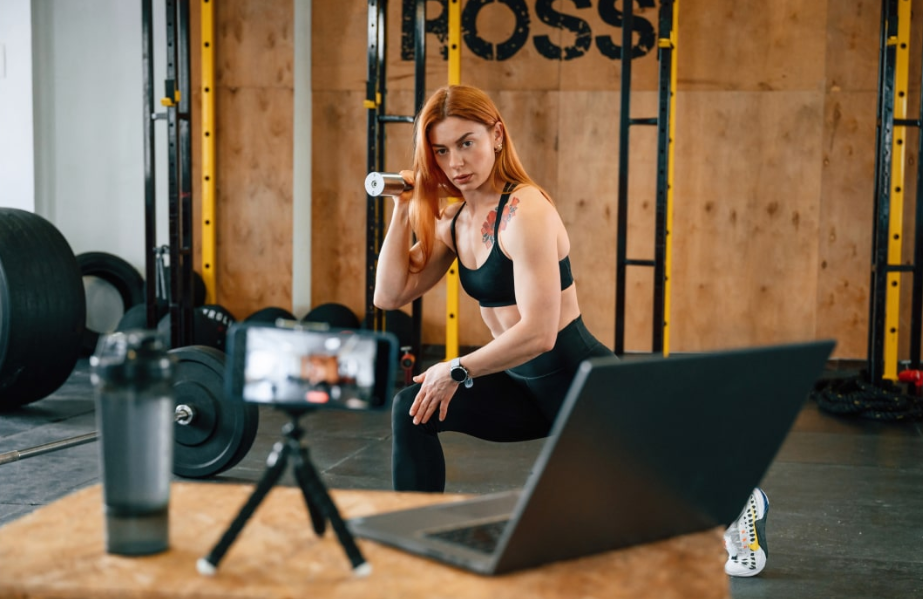
5) Activity and exercise limitations
Exercise is one of the most practical health tools we have—but large breasts can make movement uncomfortable. Common barriers include:
- Pain with running, jumping, or high-impact activity
- Difficulty breathing comfortably during exertion (often due to chest movement and weight)
- Limited options for supportive sports bras
- Self-consciousness that discourages consistent activity
Even when motivation is high, discomfort can quietly reduce participation in sports, fitness, or simply active living.
6) Sleep and daily-life comfort
Some individuals report that heavy breasts make certain sleep positions uncomfortable or cause strain when lying on the stomach or side. Daily activities like housework, commuting, or extended screen time can also feel more taxing when breast-related discomfort is present.
7) Mental wellbeing and quality of life
It’s important to talk about the emotional side without judgment. For some, a large bust brings unwanted attention, difficulty finding clothing that fits, or frustration with being misunderstood (“It’s just cosmetic”). Chronic physical symptoms can also wear down mood and energy. Health is not only physical; quality of life matters.
Breast Reduction: What It Is and What It Can Do
Breast reduction surgery removes excess breast tissue, fat, and skin to create a smaller, lighter breast size that better matches the body’s proportions. The nipples are typically repositioned to suit the new breast shape, and the surgeon aims for a result that looks natural while addressing functional complaints.
Potential benefits
Many patients pursue reduction for a combination of health and lifestyle reasons. Commonly reported improvements include:
- Reduced neck/shoulder/back discomfort
- Less bra-strap pressure and easier bra fitting
- Improved ability to exercise and move comfortably
- Fewer under-breast rashes and skin irritation
- Clothing fitting more predictably
- Overall improvement in day-to-day comfort and confidence
It’s not a guarantee that every symptom disappears—especially when other conditions contribute to pain—but many people experience meaningful relief and feel “lighter” in a very literal sense.
Who May Be a Candidate?
Breast reduction is typically considered for people who have:
- Ongoing symptoms (pain, skin irritation, activity limits) that persist despite supportive bras and conservative measures
- A stable general health status that supports surgery and healing
- Realistic expectations about scars, recovery, and outcome
Some people are advised to pause and plan rather than proceed immediately—such as those who are pregnant, currently breastfeeding, planning a pregnancy soon, or actively losing a significant amount of weight (because weight changes can affect breast size and results).
Risks and Trade-Offs (Important to Know)
Breast reduction is a real surgical procedure, and it comes with risks. These can include:
- Poor wound healing or widened scars
- Changes in nipple sensation (temporary or sometimes long-term)
- Difficulty breastfeeding in the future (some can breastfeed; others may have reduced ability)
- Need for revision in some cases due to asymmetry
A high-quality consultation should include a frank discussion of these points—along with your medical history, medications, and personal priorities.
Typical Recovery Timeline (General Ranges)
Recovery varies, but many people can use these ranges as a planning guide:
- First 1–2 weeks: swelling, tightness, fatigue; activity is limited; supportive surgical bra is worn
- Weeks 3–6: gradual return to daily routines; light exercise may resume if cleared
- After 6 weeks: many return to fuller activity, though healing and scar maturation continue
- Months 3–12: scars soften and fade; shape continues to settle
The key is to follow your surgeon’s aftercare plan, especially around lifting limits and wound care.
The Bottom Line
Large breasts can affect health in practical ways—pain, skin irritation, and reduced ability to stay active are common reasons people seek help. Breast reduction can be a powerful option when symptoms are persistent and quality of life is impacted. The best outcomes usually come from thoughtful decision-making, realistic expectations, and a consultation with a board-certified plastic surgeon who prioritizes safety and long-term results.

 There is a specific skill involved in explaining something clearly — one that is completely separate from actually knowing the subject. Jones Dukensic has both. They has spent years working with health and wellness updates in a hands-on capacity, and an equal amount of time figuring out how to translate that experience into writing that people with different backgrounds can actually absorb and use.
Jones tends to approach complex subjects — Health and Wellness Updates, Nutrition and Diet Plans, Exercise Techniques and Guides being good examples — by starting with what the reader already knows, then building outward from there rather than dropping them in the deep end. It sounds like a small thing. In practice it makes a significant difference in whether someone finishes the article or abandons it halfway through. They is also good at knowing when to stop — a surprisingly underrated skill. Some writers bury useful information under so many caveats and qualifications that the point disappears. Jones knows where the point is and gets there without too many detours.
The practical effect of all this is that people who read Jones's work tend to come away actually capable of doing something with it. Not just vaguely informed — actually capable. For a writer working in health and wellness updates, that is probably the best possible outcome, and it's the standard Jones holds they's own work to.
There is a specific skill involved in explaining something clearly — one that is completely separate from actually knowing the subject. Jones Dukensic has both. They has spent years working with health and wellness updates in a hands-on capacity, and an equal amount of time figuring out how to translate that experience into writing that people with different backgrounds can actually absorb and use.
Jones tends to approach complex subjects — Health and Wellness Updates, Nutrition and Diet Plans, Exercise Techniques and Guides being good examples — by starting with what the reader already knows, then building outward from there rather than dropping them in the deep end. It sounds like a small thing. In practice it makes a significant difference in whether someone finishes the article or abandons it halfway through. They is also good at knowing when to stop — a surprisingly underrated skill. Some writers bury useful information under so many caveats and qualifications that the point disappears. Jones knows where the point is and gets there without too many detours.
The practical effect of all this is that people who read Jones's work tend to come away actually capable of doing something with it. Not just vaguely informed — actually capable. For a writer working in health and wellness updates, that is probably the best possible outcome, and it's the standard Jones holds they's own work to.