Start With the Basics
Before you build a sustainable meal plan, you need to understand what your body actually needs. Calorie requirements aren’t guesswork they’re based on age, sex, and activity level. An active 30 year old male will need more than a sedentary 50 year old woman. There are calculators for this, but the bottom line: eat to match your energy output, or you’ll stall out fast.
Then come the macronutrients carbs, protein, and fats. Each plays a role. Carbs fuel your brain and workouts. Protein helps repair muscles and keeps you full. Fats support hormone function and help absorb vitamins. Cut one out entirely, and your body pushes back. It’s not about demonizing carbs or fearing fat it’s about balancing them correctly.
That brings us to the biggest myth: that eating “zero carbs” or going “fat free” guarantees weight loss. That’s a shortcut mindset. What matters more is creating balanced meals a mix of quality carbs, lean protein, and healthy fats. Think fewer rules, more structure. When your plate reflects all three, your body works better, hunger stays in check, and your plan actually becomes livable.
Build Your Core Meal Template
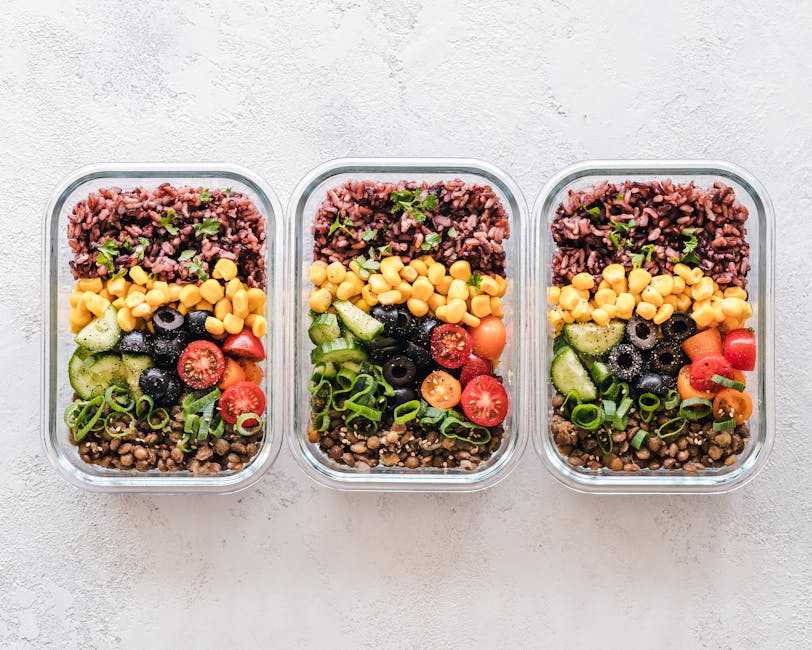
Here’s the simplest, no fluff rule for structuring every meal: half your plate should be vegetables, one quarter lean protein, and one quarter whole grains. That’s it. Think of it as your baseline. Whether you’re eating at home, grabbing takeout, or meal prepping for the week, this ratio keeps you grounded.
Vegetables give you volume and nutrients without overloading on calories. Protein helps with satiety and muscle maintenance. Whole grains bring fiber and slow digesting carbs for steady energy. You don’t need to hunt for perfect superfoods just aim for balance.
When it comes to snacks, keep it smart and simple. Combine protein + fiber to stay full without going overboard. Apple with nut butter. Hummus with sliced peppers. Greek yogurt with chia seeds. Skip the vending machine grab and think in terms of: “Does this keep me going, or just spike my blood sugar?” There’s room for flexibility, but strategy matters.
Focus on Whole, Nutrient Dense Foods
Let’s get one thing clear: not all calories are equal. Whole foods think unprocessed meats, vegetables, legumes, oats, eggs come packed with the nutrients your body actually needs. Processed stuff? Usually stripped of fiber, loaded with sodium, and spiked with added sugars or cheap oils. If it comes in plastic and lasts forever on a shelf, it’s probably not helping you feel or function better.
When it comes to protein, you don’t need a personal chef or a pricey supplement routine. Budget friendly favorites like canned tuna, eggs, Greek yogurt, tofu, beans, and lentils cover your bases. They’re not just good protein sources they help curb hunger and limit snacking later in the day. Build your meals around them, and you’re already ahead.
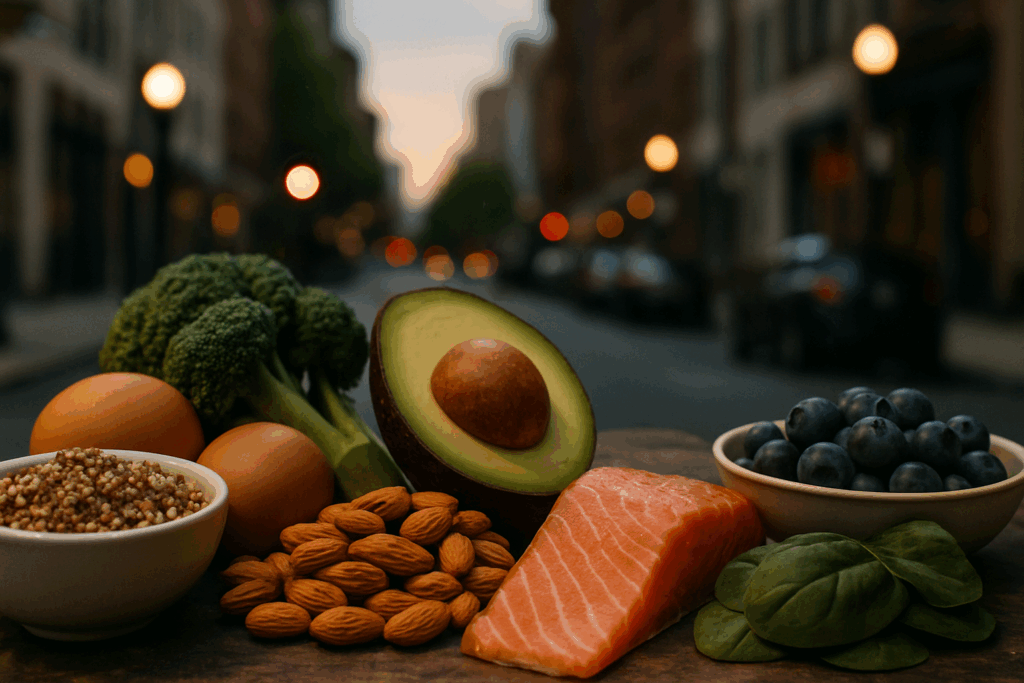
Then there’s fiber and fat the two most underappreciated allies in long term energy. Fiber (found in whole grains, veggies, and legumes) slows digestion, meaning more steady blood sugar and fewer crashes. Healthy fats from nuts, seeds, olive oil, and avocado? They keep you full and satisfied no 3 p.m. vending machine emergencies. Strike the right balance, and your meals won’t just be healthy they’ll actually carry you through the day.
Stay Flexible, Not Rigid

Overly strict meal plans look good on paper and fall apart in real life. Life doesn’t revolve around a spreadsheet. People eat with friends. People get invited to birthday dinners. People crave fries. Strict rules often set you up to fail, not because you lack discipline, but because the plan forgot you’re human.
A better strategy? Build breathing room into your plan. Make space for weekends that don’t follow your weekday routine. Factor in the reality of a cookie here or a glass of wine there. You’re more likely to stick to something that bends than something that snaps under pressure.
Tracking your food intake can help if you use it for awareness, not perfection. For some, it’s a helpful way to stay mindful. For others, it feels obsessive or draining. If tracking works for you, great. If not, tune into how your body responds instead. Flexibility isn’t a weakness; it’s a survival skill when it comes to sustainable weight management.
Apply Mediterranean Diet Principles
The Mediterranean diet isn’t a trend it’s a blueprint. Built around whole, unprocessed foods, it’s less about restriction and more about choosing what fuels you best. The staples are simple: fruits, vegetables, legumes, grains, nuts, olive oil, and lean sources of protein like fish and legumes. Think grilled salmon with roasted veggies and farro, not a sad low fat microwave meal.
Cut back not cut out on red meat. Save it for occasional use, and when you do eat it, go for quality over quantity. Same goes for processed sugars and saturated fats. They don’t need to disappear from your plate entirely, but they shouldn’t be everyday guests either.
For the practical side of things, small shifts go a long way. Cook with olive oil instead of butter. Snack on almonds or berries, not candy bars. Add herbs and spices to flavor your food instead of piling on heavy sauces. These moves add up over time. For step by step guidance, check out these Mediterranean diet tips to build meals that are both satisfying and heart smart.
Make It Sustainable
Creating a healthy meal plan is one thing maintaining it is another. The key to long term success isn’t perfection; it’s designing a plan that fits your lifestyle. Here’s how to keep your progress steady without feeling overwhelmed.
Meal Prepping Without Burnout
Meal prep doesn’t have to mean cooking for hours every Sunday. Think of it as creating convenience with flexibility built in.
Start small: Prep just one or two meals a week to begin with.
Batch basics: Cook staple items (like grains, roasted vegetables, or proteins) that can be mixed in different ways throughout the week.
Use freezer friendly meals: Double a recipe and freeze portions for busy days.
Keep it realistic: Focus on meals you’ll actually enjoy eating repeating a few favorites is okay.
Eating Out and Staying on Track
Social meals and restaurant outings are part of life. Instead of avoiding them, learn how to navigate them with balance.
Scan the menu in advance: Look for options high in vegetables, lean proteins, and whole grains.
Watch portion sizes: Consider sharing dishes or boxing half the meal to go.
Make smart swaps: Choose grilled instead of fried, or opt for dressing on the side.
Stay mindful, not restrictive: Enjoy the meal, then move on no guilt needed.
Build Long Term Habits, Not Short Term Fixes
Short lived “diet plans” often fail because they don’t support real life habits. A sustainable plan comes down to what you can do most of the time.
Practice consistency over intensity: It’s better to be 80% on track consistently than 100% perfect for one week.
Learn to adjust: If your schedule changes, adapt rather than abandon the plan.
Anchor your habits: Pair eating routines with daily anchors like prepping lunch while your coffee brews or setting out ingredients the night before.
Celebrate progress: Pay more attention to your energy, consistency, and mood than the number on a scale.
A sustainable plan feels like something you can live with not escape from. The more your meals adapt to your life (not the other way around), the better your chances of sticking with it.
Final Pointers That Actually Work
Hydration is one of those things that’s easy to overlook, but it consistently shows up in the science. Water helps control appetite, supports metabolism, and can even reduce the tendency to snack when you’re just bored or a little dehydrated. Aim to drink before meals and throughout the day no need to overthink it, just keep a bottle nearby and refill it.
As for breakfast, the rule is simple: if it works for you, keep it. If skipping makes you moody or ravenous by 11 a.m., you’re better off eating something balanced early. The idea isn’t to follow a one size fits all rule it’s to find the rhythm that keeps your energy steady.
And then there’s consistency. Most days matter more than perfect days. Missing a meal prep or grabbing fast food doesn’t wreck your progress. What matters is sticking to habits more often than not. A single salad doesn’t fix everything, and a single slice of cake doesn’t ruin it. Keep showing up, even if it’s not perfect every time.
Want a proven, realistic approach? These Mediterranean diet tips can help you anchor your plan in both science and satisfaction.

 There is a specific skill involved in explaining something clearly — one that is completely separate from actually knowing the subject. Lirithyn Dusklance has both. They has spent years working with mental health strategies in a hands-on capacity, and an equal amount of time figuring out how to translate that experience into writing that people with different backgrounds can actually absorb and use.
Lirithyn tends to approach complex subjects — Mental Health Strategies, Exercise Techniques and Guides, Fitness Tips and Workouts being good examples — by starting with what the reader already knows, then building outward from there rather than dropping them in the deep end. It sounds like a small thing. In practice it makes a significant difference in whether someone finishes the article or abandons it halfway through. They is also good at knowing when to stop — a surprisingly underrated skill. Some writers bury useful information under so many caveats and qualifications that the point disappears. Lirithyn knows where the point is and gets there without too many detours.
The practical effect of all this is that people who read Lirithyn's work tend to come away actually capable of doing something with it. Not just vaguely informed — actually capable. For a writer working in mental health strategies, that is probably the best possible outcome, and it's the standard Lirithyn holds they's own work to.
There is a specific skill involved in explaining something clearly — one that is completely separate from actually knowing the subject. Lirithyn Dusklance has both. They has spent years working with mental health strategies in a hands-on capacity, and an equal amount of time figuring out how to translate that experience into writing that people with different backgrounds can actually absorb and use.
Lirithyn tends to approach complex subjects — Mental Health Strategies, Exercise Techniques and Guides, Fitness Tips and Workouts being good examples — by starting with what the reader already knows, then building outward from there rather than dropping them in the deep end. It sounds like a small thing. In practice it makes a significant difference in whether someone finishes the article or abandons it halfway through. They is also good at knowing when to stop — a surprisingly underrated skill. Some writers bury useful information under so many caveats and qualifications that the point disappears. Lirithyn knows where the point is and gets there without too many detours.
The practical effect of all this is that people who read Lirithyn's work tend to come away actually capable of doing something with it. Not just vaguely informed — actually capable. For a writer working in mental health strategies, that is probably the best possible outcome, and it's the standard Lirithyn holds they's own work to.