You’ve tried the melatonin. You’ve set a bedtime. You’re still waking at 3 a.m., staring at the ceiling. The frustration isn’t just that you’re tired. The standard advice clearly isn’t enough anymore. A new generation of sleep wellness approaches backed by real science is filling that gap. Six of them are changing how Americans rest right now.
TL;DR: The biggest sleep wellness trends of 2025 and 2026 combine emerging science with deliberate behavioral shifts: grounding and earthing, AI-powered wearables, red light therapy, digital detox rituals, smarter bedroom design, and the sleepmaxxing movement. Each one addresses a different root cause of poor rest. Start with whichever matches your biggest barrier.
Grounding and Earthing: The Research Is Catching Up
Practices like Earthbound Grounding connect the body to the earth’s natural electrical field, and the science behind them has grown considerably. A 2025 randomized controlled trial published in ScienceDirect found that participants who used earthing mats for 31 days showed significant improvements in sleep quality, insomnia severity, and daytime sleepiness compared to a control group. Cortisol regulation appears to be the key mechanism. Grounding helps normalize stress hormone secretion to align with the body’s natural circadian rhythm, making it easier to fall asleep and stay there. Researchers reported no negative side effects across studies. For anyone whose sleep problems trace back to elevated nighttime stress, this is a low-effort starting point with a growing evidence base.
Sleepmaxxing: The Sleep Wellness Movement Sweeping Gen Z
According to a 2025 survey by Amerisleep, over 45% of Americans now actively work to optimize their sleep routines, a movement Gen Z branded “sleepmaxxing.” The core instinct is sound: treat sleep like athletes treat training, as something to build deliberately rather than hope happens on its own. Practical sleepmaxxing habits include cutting caffeine after noon, anchoring to a consistent wake time every day, including weekends, and keeping the bedroom cool to support deeper sleep stages. The one risk worth naming is orthosomnia, a term sleep researchers use for the anxiety that comes from obsessing over perfect sleep scores. These principles work best when applied as tools, not standards. The goal is actual rest, not a flawless performance on your wearable.
AI-Powered Wearables: Your Sleep Wellness Data, Actually Useful
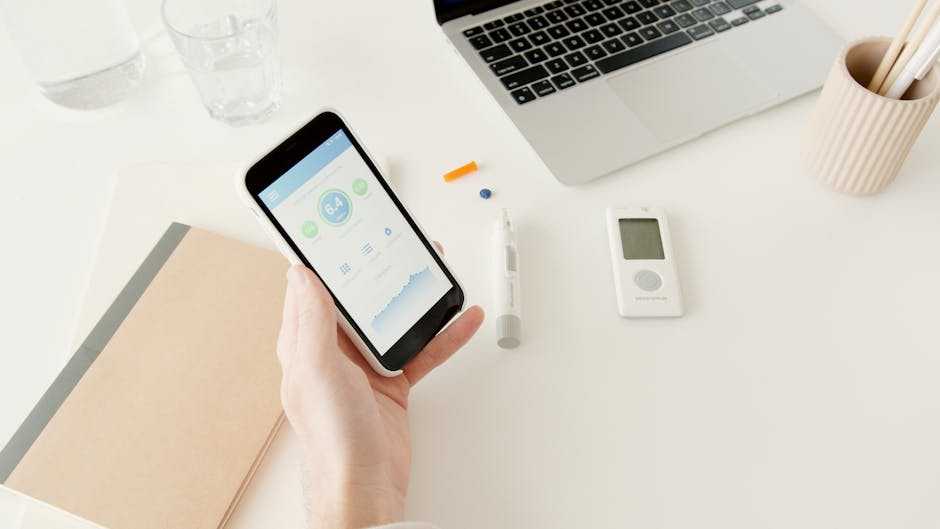
Devices like the Oura Ring and WHOOP band now track heart rate variability, blood oxygen levels, and sleep stage breakdowns with genuine precision. What shifted in 2025 and 2026 is how actionable the insights became. These wearables now identify your chronotype, meaning whether you’re biologically a morning or evening person, and suggest optimal sleep windows based on your own patterns rather than population averages. The practical payoff is pattern recognition at a scale that self-observation cannot match. If deep sleep consistently drops after a glass of wine or a late evening workout, the data surfaces it clearly. Wearables do not fix sleep on their own, but they help you find the real problem faster than trial and error.
Red Light and Blue Light: Managing Your Evening Visual Environment
Evening blue light from phones and overhead LEDs suppresses melatonin production and delays your natural sleep onset. That connection is well established. What’s newer is the growing use of red light therapy as an active countermeasure. Low-wavelength red light panels used in the evening support melatonin production, calm the nervous system, and prime the body for sleep rather than signaling wakefulness. Red light therapy devices are now compact, genuinely affordable, and designed for bedroom use rather than clinical settings. The approach is simple: switch to warm red or amber lighting after 8 p.m., cut overhead white light, and treat your visual environment as a core element of sleep hygiene rather than background noise.
Digital Detox as a Nightly Sleep Practice
The most underrated sleep intervention of 2026 requires no products at all: ending screen use one hour before bed and keeping your phone out of the bedroom entirely. What makes this trend worth highlighting is how deliberate people are becoming about it. Analog evening rituals, including physical books, paper journals, and low-engagement hobbies, are gaining adoption not as nostalgia but as a genuine strategy for nervous system downregulation. Some people replace their phone alarm with a dedicated red light clock to remove the temptation completely. The habit is harder to start than it sounds, especially for heavy phone users. Beginning with a single screen-free evening each week makes the behavior easier to build before scaling it into a nightly ritual.
The Bedroom as Sanctuary: Sleep Environment Design
Sleep environment optimization has evolved from mattress comparisons into a discipline applied to the whole room. Blackout curtains, white noise machines, air purifiers, weighted blankets, and circadian lighting systems all contribute to a growing interest in bedrooms designed specifically to support rest. The principle behind all of it is the same: your bedroom should signal sleep to your nervous system the moment you enter it. Temperature is the most consistent variable. Research points to a cool room between 65 and 68 degrees Fahrenheit as the optimal range for most people. Removing phones, work materials, and high-intensity ambient lighting makes a measurable difference even before a single product purchase.
Where to Start If Your Sleep Still Isn’t Working
Not every sleep wellness trend applies equally to every situation, and that’s a useful fact rather than a problem. The highest-leverage step is identifying your primary barrier. Stress and poor cortisol regulation point toward grounding as a first move. Schedule inconsistency responds fastest to sleepmaxxing basics. An environment that fights against sleep calls for a bedroom overhaul before anything else.
FAQ
What are the most effective sleep wellness trends right now?
Grounding and earthing, AI-powered sleep wearables, red light therapy, digital detox practices, and sleep environment optimization are the trends with the strongest evidence to support heading into 2026. Each targets a different cause of poor sleep, so the most effective starting point depends on your specific pattern of disruption.
What is sleepmaxxing, and does it actually work?
Sleepmaxxing is the intentional practice of optimizing every variable in your sleep routine, including timing, environment, nutrition, and habits. Over 45% of Americans now engage in some form of sleep optimization, according to a 2025 Amerisleep survey. The core habits are effective. The risk is orthosomnia, where the pursuit of perfect sleep creates its own anxiety and undermines rest.
Does grounding actually improve sleep?
A 2025 randomized controlled trial found that participants using earthing mats for 31 days showed significant improvements in sleep quality, insomnia severity, and daytime sleepiness. Researchers note that larger-scale studies are still needed, but the existing evidence shows meaningful benefit for sleep disruption driven by stress, with no negative effects reported across published studies.
How do wearables help with sleep quality?
Wearables track sleep stages, heart rate variability, blood oxygen saturation, and recovery scores. Their core value is pattern recognition. Wearables surface how specific behaviors like alcohol, late exercise, or elevated stress affect your personal sleep architecture in ways that self-observation alone cannot reliably detect.
What temperature should a bedroom be for better sleep?
Most sleep research points to a bedroom temperature between 65 and 68 degrees Fahrenheit as the optimal range for most adults. A cooler environment supports the drop in core body temperature, which the body uses as a signal to enter and maintain deeper sleep stages.

 Noemily Butchersonic has opinions about health and wellness updates. Informed ones, backed by real experience — but opinions nonetheless, and they doesn't try to disguise them as neutral observation. They thinks a lot of what gets written about Health and Wellness Updates, Expert Insights, Nutrition and Diet Plans is either too cautious to be useful or too confident to be credible, and they's work tends to sit deliberately in the space between those two failure modes.
Reading Noemily's pieces, you get the sense of someone who has thought about this stuff seriously and arrived at actual conclusions — not just collected a range of perspectives and declined to pick one. That can be uncomfortable when they lands on something you disagree with. It's also why the writing is worth engaging with. Noemily isn't interested in telling people what they want to hear. They is interested in telling them what they actually thinks, with enough reasoning behind it that you can push back if you want to. That kind of intellectual honesty is rarer than it should be.
What Noemily is best at is the moment when a familiar topic reveals something unexpected — when the conventional wisdom turns out to be slightly off, or when a small shift in framing changes everything. They finds those moments consistently, which is why they's work tends to generate real discussion rather than just passive agreement.
Noemily Butchersonic has opinions about health and wellness updates. Informed ones, backed by real experience — but opinions nonetheless, and they doesn't try to disguise them as neutral observation. They thinks a lot of what gets written about Health and Wellness Updates, Expert Insights, Nutrition and Diet Plans is either too cautious to be useful or too confident to be credible, and they's work tends to sit deliberately in the space between those two failure modes.
Reading Noemily's pieces, you get the sense of someone who has thought about this stuff seriously and arrived at actual conclusions — not just collected a range of perspectives and declined to pick one. That can be uncomfortable when they lands on something you disagree with. It's also why the writing is worth engaging with. Noemily isn't interested in telling people what they want to hear. They is interested in telling them what they actually thinks, with enough reasoning behind it that you can push back if you want to. That kind of intellectual honesty is rarer than it should be.
What Noemily is best at is the moment when a familiar topic reveals something unexpected — when the conventional wisdom turns out to be slightly off, or when a small shift in framing changes everything. They finds those moments consistently, which is why they's work tends to generate real discussion rather than just passive agreement.