Getting into a car accident in Michigan puts you inside one of the most complicated auto insurance and personal injury systems in the country. Decisions made in the first hours and days after a crash can directly affect what benefits are available to you, how strong any future legal claim will be, and whether procedural mistakes eliminate rights you would otherwise have had. Most people learn these rules only after they needed to know them. This guide is intended to change that.
What follows is a practical walkthrough of the decisions and actions that matter most after a car accident in Michigan, organized in roughly the order they need to happen.
At the Scene: Safety, Documentation, and Information
Move to safety if possible and call 911. A police report documenting the crash is foundational to everything that follows. Do not leave the scene before law enforcement arrives and the report is filed. Exchange insurance information, driver’s license details, and vehicle registration with the other driver. Collect contact information from any witnesses before they leave.
Photograph the crash scene thoroughly: vehicle positions before any movement, all vehicle damage, license plates, road conditions, traffic signals or signs, and any visible injuries. This visual record is irreplaceable once the scene is cleared.
The Same Day: Medical Evaluation Without Exception
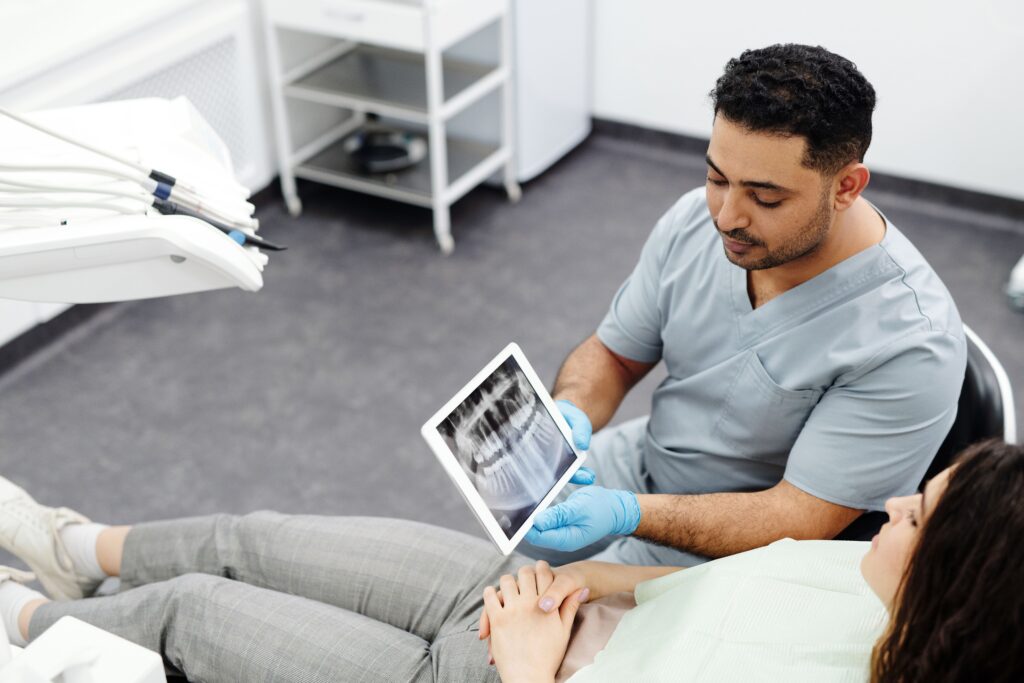
See a doctor the same day, even if your injuries feel minor. This is not optional advice in Michigan. Under the state’s no-fault system, there are specific timelines for reporting injuries and initiating PIP claims that make same-day medical documentation practically important. Delayed evaluation creates gaps that insurers use to argue injuries were not caused by the crash or were not serious enough to warrant the treatment that followed.
Michigan’s PIP benefits cover medical expenses, up to 85 percent of lost wages for up to three years, and replacement services for household tasks the injured person can no longer perform. The level of PIP coverage available depends on the tier selected in your policy, which is why understanding your own coverage should be one of the first calls you make after seeking medical care.
Within Days: Notifying Your Insurer and Understanding the No-Fault Process
Michigan’s no-fault system requires prompt notification to your own insurer after a crash. Your PIP claim must be filed with your own insurance company, not the at-fault driver’s insurer. The at-fault driver’s liability coverage applies to the third-party tort claim for pain and suffering and other non-economic damages, but only if your injuries meet Michigan’s serious impairment threshold.
The Michigan Department of Insurance and Financial Services provides information on policyholder rights under Michigan’s no-fault system, including the deadlines and procedures that apply to PIP claims. Understanding these rules before your first insurer communication protects you from making procedural errors that affect your benefits.
What Not to Say to Any Insurance Company
The at-fault driver’s insurer will likely contact you shortly after the crash. You are not required to speak with them, and doing so without legal counsel is consistently one of the most damaging things an injured Michigan driver can do to their own case. Recorded statements made without guidance often contain admissions about fault or injury severity that are later used to reduce or deny the third-party claim.
Even communications with your own PIP insurer carry risks. Statements minimizing your injuries, expressing uncertainty about whether treatment is necessary, or suggesting the crash was partly your fault can affect both your PIP benefits and any third-party claim. Getting legal guidance after a car accident before making formal statements to any insurer is one of the most protective steps you can take.
Understanding the Third-Party Claim and the Serious Impairment Threshold
If your injuries are serious, you may have a third-party claim against the at-fault driver for pain and suffering, excess medical costs beyond PIP limits, and other non-economic damages. Michigan requires that your injuries meet the serious impairment of body function standard to pursue this claim. The standard requires that the injury objectively manifests as a physical condition, that the condition was caused by the accident, and that it affects your ability to lead your normal life.
Whether your specific injuries meet this threshold is a legal and medical question that requires professional analysis. Many injuries that feel serious, such as significant soft tissue damage, disc injuries, and fractures, do meet the standard when properly documented. Many are dismissed by insurers as insufficient without a challenge backed by medical evidence and legal expertise.
The Three-Year Statute and Why You Should Act Before It Looms
Michigan’s personal injury statute of limitations is three years from the date of the crash. PIP benefit disputes have separate shorter timelines. Acting early, before evidence has degraded, before witnesses have become harder to reach, and before the insurer’s initial position has hardened, consistently produces better outcomes than waiting to see how the situation develops. Legal guidance obtained in the first weeks after a serious Michigan car accident is not premature. It is optimal timing.

 Noemily Butchersonic has opinions about health and wellness updates. Informed ones, backed by real experience — but opinions nonetheless, and they doesn't try to disguise them as neutral observation. They thinks a lot of what gets written about Health and Wellness Updates, Expert Insights, Nutrition and Diet Plans is either too cautious to be useful or too confident to be credible, and they's work tends to sit deliberately in the space between those two failure modes.
Reading Noemily's pieces, you get the sense of someone who has thought about this stuff seriously and arrived at actual conclusions — not just collected a range of perspectives and declined to pick one. That can be uncomfortable when they lands on something you disagree with. It's also why the writing is worth engaging with. Noemily isn't interested in telling people what they want to hear. They is interested in telling them what they actually thinks, with enough reasoning behind it that you can push back if you want to. That kind of intellectual honesty is rarer than it should be.
What Noemily is best at is the moment when a familiar topic reveals something unexpected — when the conventional wisdom turns out to be slightly off, or when a small shift in framing changes everything. They finds those moments consistently, which is why they's work tends to generate real discussion rather than just passive agreement.
Noemily Butchersonic has opinions about health and wellness updates. Informed ones, backed by real experience — but opinions nonetheless, and they doesn't try to disguise them as neutral observation. They thinks a lot of what gets written about Health and Wellness Updates, Expert Insights, Nutrition and Diet Plans is either too cautious to be useful or too confident to be credible, and they's work tends to sit deliberately in the space between those two failure modes.
Reading Noemily's pieces, you get the sense of someone who has thought about this stuff seriously and arrived at actual conclusions — not just collected a range of perspectives and declined to pick one. That can be uncomfortable when they lands on something you disagree with. It's also why the writing is worth engaging with. Noemily isn't interested in telling people what they want to hear. They is interested in telling them what they actually thinks, with enough reasoning behind it that you can push back if you want to. That kind of intellectual honesty is rarer than it should be.
What Noemily is best at is the moment when a familiar topic reveals something unexpected — when the conventional wisdom turns out to be slightly off, or when a small shift in framing changes everything. They finds those moments consistently, which is why they's work tends to generate real discussion rather than just passive agreement.