What Makes a Food “Super”
“Superfood” is a term often thrown around in health circles and food marketing but what actually earns a food this title? Let’s break it down.
What Qualifies as a Superfood?
At its core, a superfood is:
Nutrient dense: High concentrations of vitamins, minerals, antioxidants, or healthy fats compared to its calorie content
Scientifically supported: Health benefits are backed by credible studies and real world research not just trends or fads
Wide ranging health impact: Supports multiple body systems like cardiovascular, immune, digestive, or cognitive health
Superfoods go beyond just nutrition they work smarter, offering more benefits per bite.
Nutrient Density vs. Marketing Hype
Not every trendy health food is a true superfood. Nutrient density not packaging or social media buzz is the key identifier.
Compare these two scenarios:
A flashy “wellness” snack with added sugars and minimal whole ingredients
A bowl of berries rich in fiber, vitamin C, and antioxidants
Only one of those truly earns the “super” status.
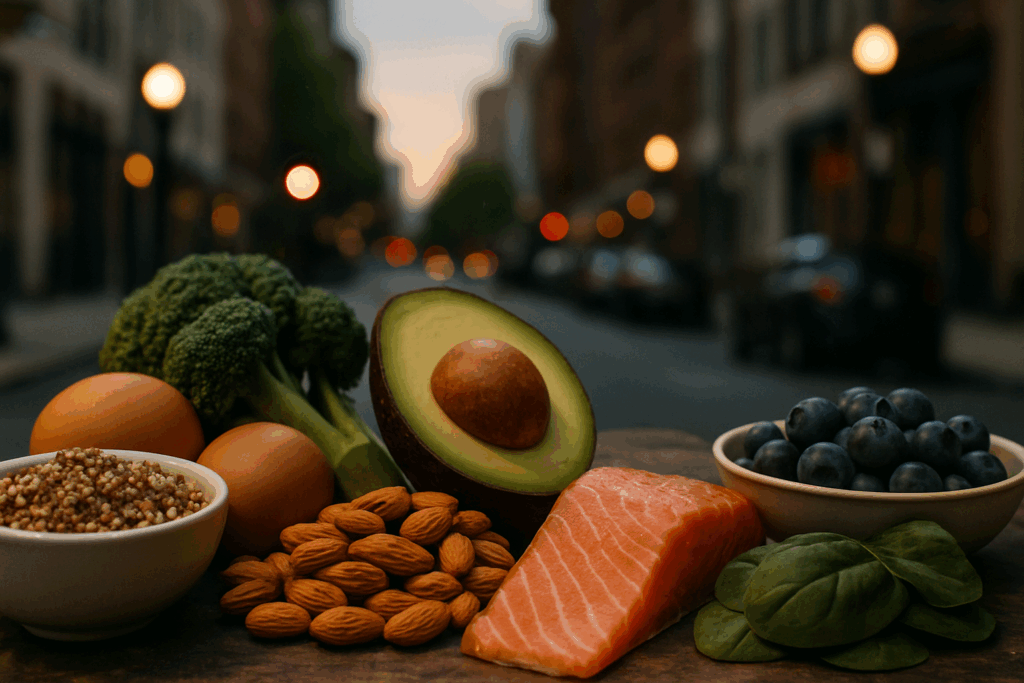
Bottom line: If it’s colorful, whole, minimally processed, and backed by science, it probably qualifies.
The Science Behind the Label
Real superfoods have measurable effects. For example:
Blueberries: Reduce oxidative stress and improve memory in studies
Chia seeds: Promote satiety and cardiovascular wellness
Turmeric: Shows anti inflammatory effects in clinical research
Superfoods aren’t magic pills, but consistently incorporating them into your diet can support long term health goals.
Remember: superfoods work best as part of a balanced, whole food diet not as isolated fixes.
Blueberries
Rich in antioxidants like anthocyanins, blueberries pack a serious punch when it comes to protecting your brain and heart. Studies link regular blueberry intake with improved memory, slower cognitive decline, and better cardiovascular function. It’s not marketing hype just solid science backing up what many nutritionists have long recommended.
So how many should you actually eat? Around ½ to 1 cup a day is the sweet spot. That gives you enough of the beneficial compounds without going overboard. Think of them as your daily edible insurance small, seamless, and powerful.
As for fresh vs. frozen it mostly comes down to convenience and preference. Frozen blueberries retain nearly all their nutrients and can often be even more affordable, especially off season. Unless you’re picking them straight from a bush, the frozen option is just as effective as fresh, and they’re ready to toss into smoothies, oatmeal, or yogurt without missing a beat.
Kale
If you’ve heard kale called the king of leafy greens, it’s not just health food hype. This cruciferous vegetable earns its crown thanks to an almost ridiculous amount of nutrients packed into each leaf. It’s got more Vitamin K than almost anything else, rivaling even spinach. You also get a solid dose of fiber, calcium, and a cocktail of antioxidants that support everything from bone health to skin repair.
But here’s the catch: raw kale can taste like punishment. To get the most from it without resenting your life choices, a few hacks go a long way. Massage it with olive oil and lemon to break down the toughness. Or toss it into soups, blend it into smoothies, or crisp it in the oven for a no regret snack. You don’t need to love kale raw. You just need to work smarter with it.
Chia Seeds
Don’t let their size fool you chia seeds pull serious weight in the nutrition department. These tiny seeds are loaded with omega 3 fatty acids, fiber, and plant based protein, making them a quiet staple for anyone looking to boost daily wellness without much effort. Unlike trendy powders or exotic berries, chia seeds are affordable, shelf stable, and take almost zero prep.
Seamless integration is the name of the game. Stir them into smoothies for extra texture and satiety. Use them in baking to add a nutritional punch to muffins or pancakes. Or go classic with overnight oats just mix them with some milk or plant milk, let them soak, and wake up to a ready to eat, gut friendly breakfast that keeps you full for hours.
Athletes, take note: chia seeds absorb up to 10 times their weight in liquid, which supports hydration and may help with endurance. Think of them as a slow drip hydration aid, especially handy before long workouts or races.
No hype, just function. Chia seeds are as practical as they are powerful.
Greek Yogurt
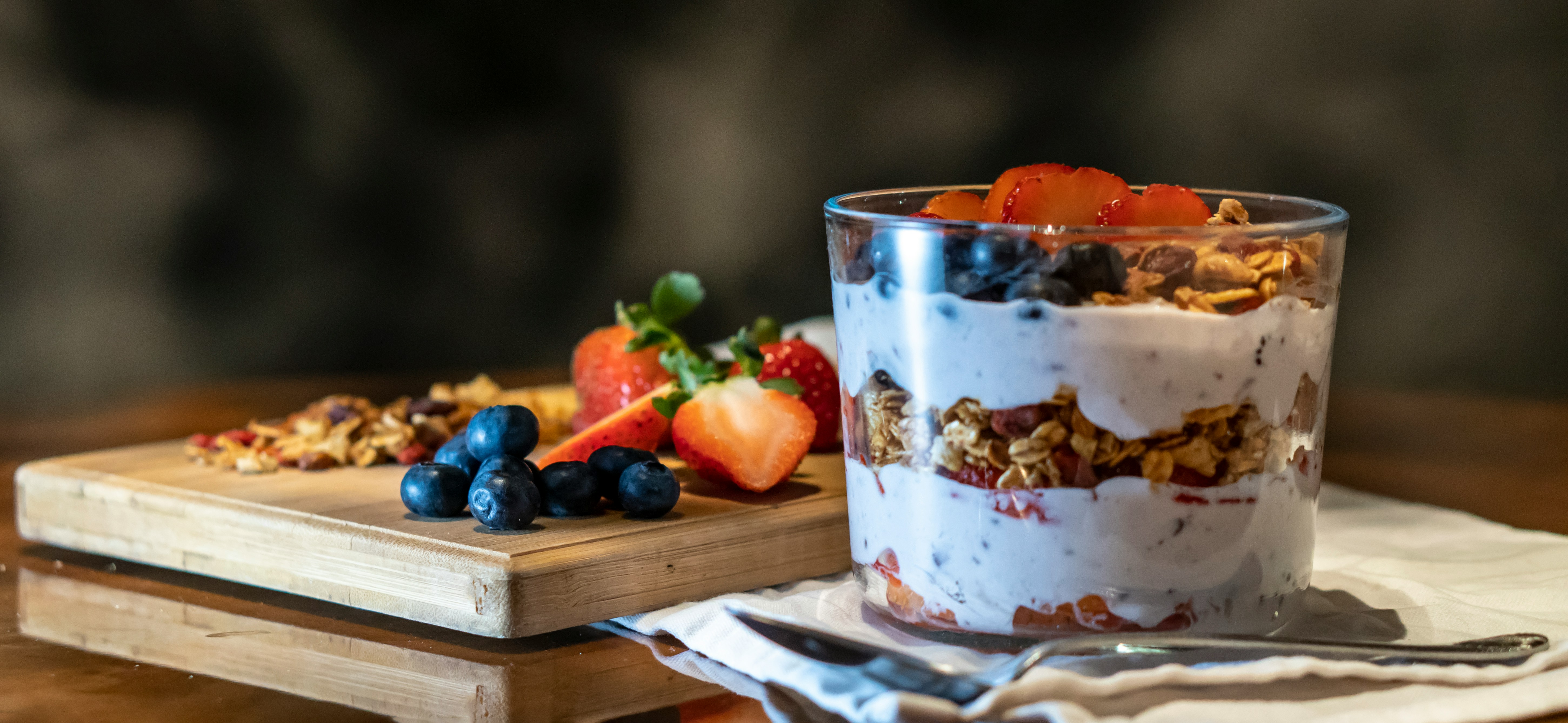
Greek yogurt earns its spot on any serious superfood list. It’s packed with protein often double that of regular yogurt and teeming with probiotics that support gut health. For anyone looking to build muscle, feel fuller longer, or improve digestion, this is a no brainer.
But not all tubs are created equal. Some are loaded with added sugars that cancel out the benefits. Stick to plain, low fat or full fat versions with minimal ingredients. If you need sweetness, add your own berries or a drizzle of honey.
Versatility is key here. Greek yogurt slides easily into meals across the day: a base for breakfast with seeds and fruit, a creamy element in savory sauces, or just a straight spoonful snack. It’s one of the most reliable and underhyped staples you can keep in your fridge.
Quinoa
Quinoa’s been around for thousands of years, and in the world of modern nutrition, it earns its hype. It’s one of the few complete plant based protein sources packing all nine essential amino acids. That makes it a smart pick for anyone going meatless without sacrificing protein quality.
The grain’s also gluten free, which means it plays nice with sensitive stomachs and celiac friendly diets. It’s light but filling, high in fiber, and easier on digestion than heavier whole grains like wheat berries or barley.
As for kitchen versatility, quinoa’s unmatched. You can batch cook it and have a base for just about anything: grain bowls, tossed salads, veggie packed stir fries. There are even recipes for quinoa pancakes if you’re feeling like flipping breakfast on its head. It’s the kind of ingredient that bends without breaking, and that’s gold during a busy week.
Avocados
Avocados aren’t just trendy they’re genuinely useful. Packed with healthy monounsaturated fats, they provide steady energy and curb appetite without the crash you get from fast carbs. Those fats also help your body absorb fat soluble vitamins like A, D, E, and K meaning your salad dressing just became a nutrient booster.
Beyond fat, avocados deliver more potassium than a banana, along with solid fiber to support digestion and heart health. They’re also rich in plant sterols, which can help maintain healthy cholesterol levels.
The key is portion control. Half an avocado is a sweet spot for most people nutrient dense without tipping into calorie overload. Mash it on whole grain toast, toss slices in a salad, or blend into a smoothie for that creamy texture without dairy. Easy, clean energy in a few bites.
Turmeric
Turmeric isn’t new. It’s been used for centuries in Ayurveda and traditional Chinese medicine, and its anti inflammatory power is finally getting mainstream attention. The secret weapon? Curcumin, the active compound that gives turmeric its golden hue and most of its health perks.
On its own, curcumin isn’t absorbed well. That’s where black pepper comes in. Just a pinch of pepper boosts absorption dramatically thanks to a compound called piperine. So if you’re adding turmeric to your diet, don’t skip the black stuff.
As for how to use it: golden milk is the easiest gateway. It’s comforting, simple, and great before bed. But turmeric also plays well in curries, soups, and even roasted veggies. A little goes a long way, so don’t overdo it. Stick with a teaspoon or less to avoid bitterness while still reaping the benefits.
Want More Evidence Based Superfood Tips?
If you’re ready to take your superfood knowledge to the next level, there are science backed resources you won’t want to miss.
Dive Deeper Into Superfoods
Discover which options truly hold up under nutritional scrutiny. These curated lists and expert reviews can help clarify what’s hype and what actually fuels your health:
Top 7 Evidence Based Superfoods You Should Add to Your Diet
Browse the full list here. Backed by research, this article breaks down the real impact of each food and how to incorporate them in meaningful ways.
Simple Guide to Superfoods That Actually Work
Explore the detailed guide to maximize your nutrition with minimal guesswork. Ideal for anyone who wants results without complication.
Why It Matters
Choosing the right superfoods isn’t about jumping on trends it’s about making smart, sustainable choices your body benefits from. These resources offer a practical, no hype approach so you can boost your nutrition effortlessly.

 There is a specific skill involved in explaining something clearly — one that is completely separate from actually knowing the subject. Jones Dukensic has both. They has spent years working with health and wellness updates in a hands-on capacity, and an equal amount of time figuring out how to translate that experience into writing that people with different backgrounds can actually absorb and use.
Jones tends to approach complex subjects — Health and Wellness Updates, Nutrition and Diet Plans, Exercise Techniques and Guides being good examples — by starting with what the reader already knows, then building outward from there rather than dropping them in the deep end. It sounds like a small thing. In practice it makes a significant difference in whether someone finishes the article or abandons it halfway through. They is also good at knowing when to stop — a surprisingly underrated skill. Some writers bury useful information under so many caveats and qualifications that the point disappears. Jones knows where the point is and gets there without too many detours.
The practical effect of all this is that people who read Jones's work tend to come away actually capable of doing something with it. Not just vaguely informed — actually capable. For a writer working in health and wellness updates, that is probably the best possible outcome, and it's the standard Jones holds they's own work to.
There is a specific skill involved in explaining something clearly — one that is completely separate from actually knowing the subject. Jones Dukensic has both. They has spent years working with health and wellness updates in a hands-on capacity, and an equal amount of time figuring out how to translate that experience into writing that people with different backgrounds can actually absorb and use.
Jones tends to approach complex subjects — Health and Wellness Updates, Nutrition and Diet Plans, Exercise Techniques and Guides being good examples — by starting with what the reader already knows, then building outward from there rather than dropping them in the deep end. It sounds like a small thing. In practice it makes a significant difference in whether someone finishes the article or abandons it halfway through. They is also good at knowing when to stop — a surprisingly underrated skill. Some writers bury useful information under so many caveats and qualifications that the point disappears. Jones knows where the point is and gets there without too many detours.
The practical effect of all this is that people who read Jones's work tend to come away actually capable of doing something with it. Not just vaguely informed — actually capable. For a writer working in health and wellness updates, that is probably the best possible outcome, and it's the standard Jones holds they's own work to.