Environmental Shifts, Public Health Risks
The planet’s getting hotter, and so is the pressure on public health systems. Rising global temperatures aren’t just about hotter summers they’re directly shifting disease dynamics. Heat waves lead to more heat stroke and dehydration cases, but the bigger concern is how warmth affects disease carriers. Mosquitoes, for instance, thrive in warmer, wetter conditions. Diseases like malaria, dengue, and Zika are now popping up in places they never used to. Old maps don’t apply.
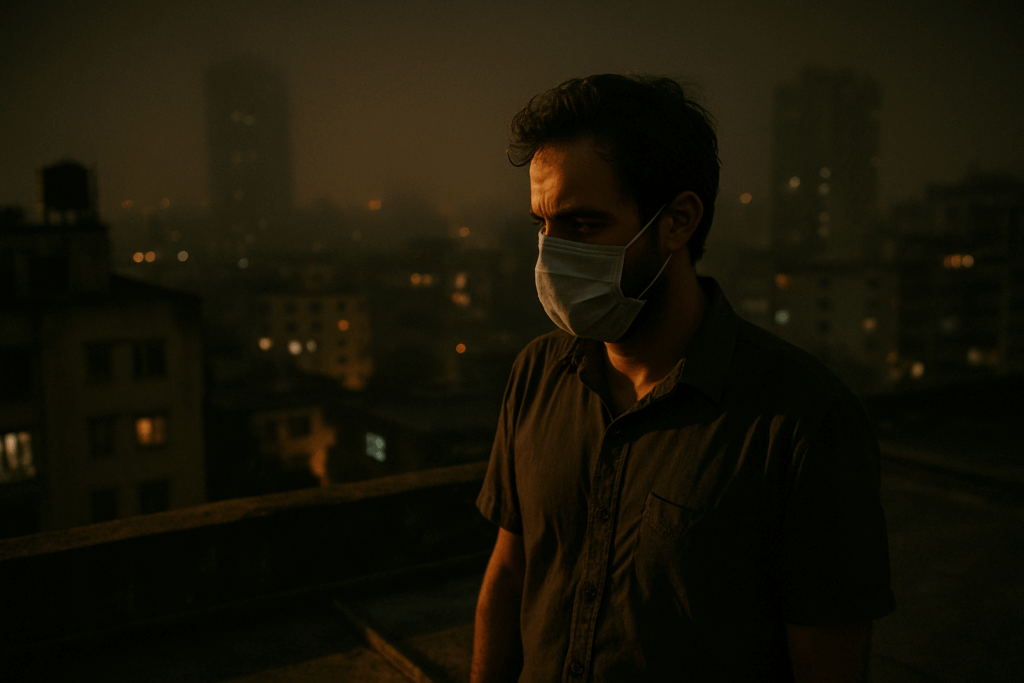
Air quality’s also on the decline. Industrial activity, wildfires, and emissions from vehicles are pushing pollution into the red zone in more cities each year. That’s translating into higher rates of asthma, COPD, and even heart disease. Children and the elderly take the brunt of it, but long term exposure puts everyone at risk.
Bottom line: climate shifts aren’t a distant worry they’re already changing where, when, and how illness spreads. Public health policy can’t ignore the environment. Reality isn’t waiting.
New Policy Frontiers
Governments aren’t waiting for climate change to knock twice before rewriting public health rules. The definition of a public health risk is expanding no longer limited to pandemics or food safety. Think heatwaves, wildfire smoke, and sudden shifts in allergen levels. These are now on the radar, treated as serious threats to population health.
Cities are also rethinking the built environment. Urban planning is leaning hard into heat mitigation: more tree canopies, reflective materials, and zoning laws that factor in air quality. It’s not just about making cities greener it’s about survival, especially for vulnerable populations.
Meanwhile, the smartest health departments are bringing climate data into their surveillance systems. They’re tracking how temperature shifts correlate with asthma spikes, or how rainfall patterns might predict mosquito borne disease outbreaks. That means climate patterns are no longer background noise they’re part of the health signal.
Policy is catching up to the science. Slowly, but purposefully. And for public health, that’s a necessary rethink.
Preparedness and Resilience Strategies
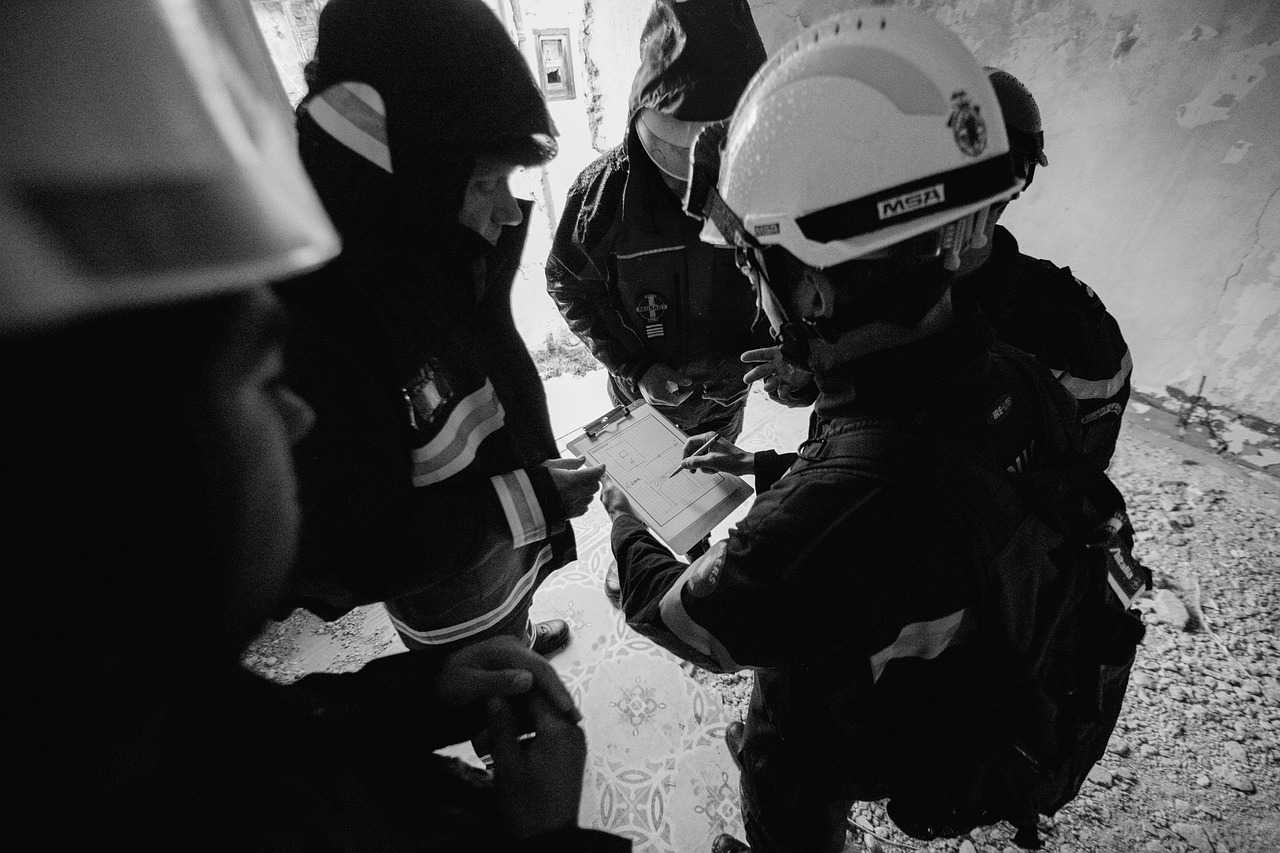
As climate change intensifies, public health systems are being challenged in unprecedented ways. Traditional preparedness models are no longer enough governments and health organizations must now reimagine infrastructure and response strategies to withstand emerging climate stressors.
Building Climate Resilient Healthcare Infrastructure
To ensure healthcare systems remain operational during extreme weather events, resilience must be built into the foundation:
Heat resilient buildings with sustainable cooling and energy backup systems
Flood and storm resistant facilities, especially in vulnerable coastal or low lying areas
Flexible care delivery models, including mobile clinics and modular triage centers that can adapt to shifting environmental demands
Climate Aware Emergency Response Plans
Rising incidents of wildfires, floods, hurricanes, and droughts demand integrated public health and emergency response protocols:
Real time alert systems share environmental health warnings with communities and hospitals
Cross sector simulations and drills improve coordination between health, emergency, and environmental agencies
Localized risk maps help prioritize neighborhood level response based on climate vulnerabilities
Investing in Climate Driven Public Health Research
Data driven policy starts with solid research. Rising health risks from environmental change require new focus areas for public health investment:
Longitudinal studies tracking health impacts of prolonged heat exposure, air pollution, and climate migration
Grants for interdisciplinary research combining epidemiology, climate science, and urban planning
Pilot programs testing green infrastructure’s effect on community well being
Public health resilience isn’t just about enduring the next disaster it’s about planning for a dramatically different future, today.
Technological Innovation in Response
Data is getting smarter, and so is our public health response. AI and big data are now front line tools for predicting where and when environmental health outbreaks might hit. From heatwave linked heart attacks to air pollution triggered asthma spikes, algorithms are scanning climate models, search trends, and health records to give early warnings before problems escalate.
Meanwhile, telemedicine and mobile health tech are filling critical gaps especially where physical clinics don’t reach. In regions dealing with rising sea levels or recurrent wildfires, mobile apps and remote consults aren’t just convenient; they’re essential. They let doctors treat vulnerable populations without delay, no matter the crisis outside.
And this isn’t just a siloed effort. We’re seeing growing collaboration between healthcare professionals, climatologists, and tech developers. Think hospital planners working with meteorologists. Or climate scientists feeding predictive models into epidemic response systems. The walls between sectors are coming down, fast because the threats don’t respect borders, specializations, or outdated infrastructure. This is public health operating in real time, across disciplines, for a new era.
A More Personalized, Predictive Approach
Healthcare has long worked in reaction mode treat the symptom, address the crisis, move on. But climate change is forcing the system to think ahead. Longer allergy seasons, heatwaves, air pollution bursts, and sudden disease outbreaks are no longer rare surprises; they’re regular features. That means public health can’t wait for problems to land in the ER. It has to anticipate them.
We’re seeing a pivot toward care that’s both proactive and personal. Environmental data like pollen counts, heat index spikes, or wildfire smoke forecasts is becoming just as vital as blood pressure or family history. It’s not just about diagnosing illness but predicting risk before it turns into something worse. For example, asthma sufferers may soon get alerts tuned to their specific region’s air quality trends, not just generic warnings.
This shift builds toward a wider transformation in medicine one that connects climate, data, and early intervention into a personalized feedback loop. The goal: minimize crises by targeting care early, based not just on who a patient is, but where they are and what’s happening around them.
See how this trend connects to the broader future of medicine.
The Road Ahead
Public health is no longer about patching people up when things go wrong. It’s shifting toward a longer game building systems that hold up under pressure, adapt to change, and stay ahead of climate driven risks. In practice, that means investing in clean infrastructure, disease surveillance tied to weather patterns, and healthcare models centered on prevention and resilience instead of just treatment.
Global coordination is non negotiable. Respiratory illnesses don’t respect borders. Neither do heatwaves, droughts, or the ripple effects of mass displacement. Climate and health are fused now ignore one, and the other falters. That’s why international partnerships, data sharing, and aligned standards are becoming the new baseline for effective public health policy.
Staying informed is part of staying prepared. Continuous reporting on the future of medicine will be essential to understanding how climate science reshapes diagnostics, prevention, and access moving forward. The work ahead is hard but it’s already started.

 There is a specific skill involved in explaining something clearly — one that is completely separate from actually knowing the subject. Jones Dukensic has both. They has spent years working with health and wellness updates in a hands-on capacity, and an equal amount of time figuring out how to translate that experience into writing that people with different backgrounds can actually absorb and use.
Jones tends to approach complex subjects — Health and Wellness Updates, Nutrition and Diet Plans, Exercise Techniques and Guides being good examples — by starting with what the reader already knows, then building outward from there rather than dropping them in the deep end. It sounds like a small thing. In practice it makes a significant difference in whether someone finishes the article or abandons it halfway through. They is also good at knowing when to stop — a surprisingly underrated skill. Some writers bury useful information under so many caveats and qualifications that the point disappears. Jones knows where the point is and gets there without too many detours.
The practical effect of all this is that people who read Jones's work tend to come away actually capable of doing something with it. Not just vaguely informed — actually capable. For a writer working in health and wellness updates, that is probably the best possible outcome, and it's the standard Jones holds they's own work to.
There is a specific skill involved in explaining something clearly — one that is completely separate from actually knowing the subject. Jones Dukensic has both. They has spent years working with health and wellness updates in a hands-on capacity, and an equal amount of time figuring out how to translate that experience into writing that people with different backgrounds can actually absorb and use.
Jones tends to approach complex subjects — Health and Wellness Updates, Nutrition and Diet Plans, Exercise Techniques and Guides being good examples — by starting with what the reader already knows, then building outward from there rather than dropping them in the deep end. It sounds like a small thing. In practice it makes a significant difference in whether someone finishes the article or abandons it halfway through. They is also good at knowing when to stop — a surprisingly underrated skill. Some writers bury useful information under so many caveats and qualifications that the point disappears. Jones knows where the point is and gets there without too many detours.
The practical effect of all this is that people who read Jones's work tend to come away actually capable of doing something with it. Not just vaguely informed — actually capable. For a writer working in health and wellness updates, that is probably the best possible outcome, and it's the standard Jones holds they's own work to.