What Anxiety Really Is
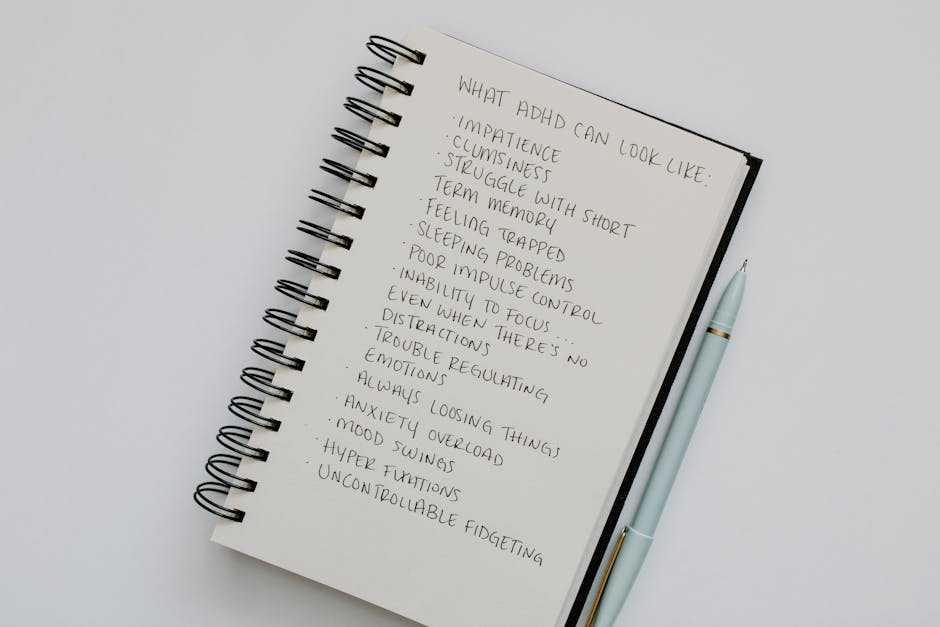
Understanding anxiety begins with knowing how it operates in the brain and why it’s not just ‘in your head.’ Anxiety is a biological and psychological response to perceived danger, designed to keep you safe. But in modern life, that system can misfire when you’re not actually in danger.
The Brain on Anxiety
Amygdala activation: This almond shaped structure triggers fear responses, sending signals that there’s a threat.
Prefrontal cortex lag: The reasoning part of your brain often gets overridden, making it harder to assess situations rationally.
Neurochemical shifts: Elevated levels of cortisol and adrenaline keep your body in a heightened state of alert, even when unnecessary.
The Stress Response: Fight, Flight, or Freeze
Anxiety is part of your innate stress response system. When triggered, this system prepares your body for action:
Fight: You become hyper alert and reactive, ready to confront the threat.
Flight: You want to avoid or escape the situation altogether.
Freeze: You feel paralyzed or ‘stuck,’ unable to respond.
While this mechanism works well in truly dangerous situations, it becomes a problem when it’s triggered by everyday stressors like deadlines, social interactions, or uncertainty.
Why Natural Relief Requires a Mind Body Approach
Treating anxiety naturally isn’t about ignoring the mental side it’s about rebalancing the nervous system as a whole.
Body focused tactics like breathing exercises and exercise help calm physiological arousal.
Mind centered tools such as reframing thoughts or mindfulness tackle cognitive distortions.
Addressing both mind and body leads to more sustainable relief and helps rewire automatic anxiety loops over time.
Science Backed Natural Techniques That Work
Deep breathing and controlled exhalation
This may sound simple because it is but don’t underestimate it. Slowing your breath and lengthening your exhale switches on your parasympathetic nervous system. That’s the part of your body responsible for calming down, not revving up. In short: slow breathing signals safety. Try box breathing (inhale for 4, hold for 4, exhale for 4, hold for 4), or 4 7 8 breathing. You can do it waiting in line or sitting at your desk. No equipment, no prep, just breath.
Structured physical activity
Movement helps burn off stress hormones like cortisol. But it’s not about punishing workouts it’s about consistency and rhythm. Walking, swimming, biking, and strength training all show strong data for supporting mental health. For anxious minds, workouts that get you into a flow state with steady breathing and repetitive motion work best. Aim for 20 to 40 minutes, most days. Think less bootcamp, more momentum.
Grounding techniques and mindfulness
Anxiety lives in the future what if, what then, what next. Grounding brings your mind back to now, where your feet are. Mindful practices like the 5 4 3 2 1 method (name 5 things you see, 4 you can touch, 3 you hear, 2 you smell, 1 you taste) help interrupt the spiral. You can also reset your senses: wash your hands in cold water, step outside, or hold something textured. These small sensory resets remind your brain: it’s okay, nothing’s exploding.
Sleep hygiene for steady moods
Anxiety and poor sleep feed each other like a vicious loop. You worry, so you don’t sleep. You don’t sleep, so you’re more frazzled. Getting better rest starts with setting boundaries. That means cutting screen time an hour before bed, going to sleep and waking up at the same time daily, and using your bedroom only for sleep not doomscrolling or email. Consistency isn’t glamorous, but it works.
Cognitive reframing (CBT based practices)
Cognitive Behavioral Therapy has one core idea: your thoughts drive your feelings. Changing how you talk to yourself can chill your nervous system. Start by noticing your automatic thoughts especially exaggerated, worst case ones and actively challenge them. Try, “What’s another way to look at this?” or “If a friend said this, what would I tell them?” One tool: write anxious thoughts down, then write more neutral or balanced responses right below each one. Your brain believes what it hears often: make it hear something more steady.
What to Avoid That Makes Anxiety Worse

While adding healthy habits can significantly ease anxiety, it’s just as important to remove triggers that quietly fuel stress in the background. Many everyday habits innocent as they seem can overstimulate the nervous system and prolong anxious episodes.
Cut Back on These Common Triggers
Caffeine, Sugar, and “Doomscrolling”
These three are quietly undermining your calm:
Caffeine amps up the central nervous system, mimicking the physical symptoms of anxiety (racing heart, jitteriness).
Sugar causes dramatic blood sugar swings, which can intensify mood instability and restlessness.
Doomscrolling consuming nonstop negative news on social media or news apps activates the brain’s threat response, keeping you stuck in fight or flight mode.
Try this instead: Opt for herbal teas, stick to natural sugars from fruit, and limit news intake to designated periods during the day.
Skipping Meals and Blood Sugar Crashes
Going too long without eating leads to blood sugar dips that can mimic or trigger anxiety.
Dizziness, shakiness, headaches, and irritability are all signs your body is running on empty.
The brain perceives this as a stress state and may activate the anxiety response as a warning signal.
Quick fix: Eat protein rich meals and snacks consistently throughout the day to keep your energy steady.
Overstimulating Environments
Loud noises, cluttered spaces, too much screen time even background podcasts can overwhelm the senses.
People with anxiety often experience heightened sensitivity to sensory input
Constant stimulation means your nervous system never gets a true rest
Reduce sensory noise: Try noise reducing headphones, take screen breaks, and build silence into your routine. Even a few moments of calm can create space for the brain to reset.
Avoiding these triggers won’t eliminate anxiety overnight, but minimizing the noise (literally and figuratively) gives your natural calming techniques room to work.
When to Look Beyond Natural Methods
Natural anxiety relief techniques can work well until they don’t. Sometimes, breathwork and journaling aren’t enough. If anxiety is interfering with basic daily life sleep, work, relationships it may be time to take a wider angle view.
You might notice things like constant irritability, chest tightness that won’t quit, panic attacks that come out of nowhere, or a sense of dread you can’t shake. When symptoms stick around for weeks with no improvement, or your usual go to techniques stop helping, consider talking to a professional.
Therapy isn’t a last resort it’s a tool, like anything else. Cognitive Behavioral Therapy (CBT), trauma informed approaches, or even short term medications can create just enough breathing room for natural tools to work again. For many, the sweet spot is a combo: maybe structured therapy once a week, daily grounding exercises, and a low dose medication if needed, reevaluated over time.
The point isn’t to pick a side. The point is to get back to living your life not tiptoeing around it.
Your Own Anxiety Toolbox
You don’t need to overhaul your entire life to start feeling better. Just pick two or three techniques that you actually like and can stick with. Deep breathing during your coffee break. A 10 minute walk before lunch. Switching off your phone an hour before bed. Small things add up fast.
The key is repetition. Building a routine gives your nervous system something to rely on. Anxiety thrives in chaos calm grows in patterns. So even if your day feels messy, having small touchpoints (like a breathing exercise or afternoon stretch) trains your body to relax on cue.
Forget chasing perfection. Show up most days. Keep it simple. That’s enough to start shifting how you feel.
(For more ideas curated by mental health experts, visit: reduce anxiety naturally)

 Noemily Butchersonic has opinions about health and wellness updates. Informed ones, backed by real experience — but opinions nonetheless, and they doesn't try to disguise them as neutral observation. They thinks a lot of what gets written about Health and Wellness Updates, Expert Insights, Nutrition and Diet Plans is either too cautious to be useful or too confident to be credible, and they's work tends to sit deliberately in the space between those two failure modes.
Reading Noemily's pieces, you get the sense of someone who has thought about this stuff seriously and arrived at actual conclusions — not just collected a range of perspectives and declined to pick one. That can be uncomfortable when they lands on something you disagree with. It's also why the writing is worth engaging with. Noemily isn't interested in telling people what they want to hear. They is interested in telling them what they actually thinks, with enough reasoning behind it that you can push back if you want to. That kind of intellectual honesty is rarer than it should be.
What Noemily is best at is the moment when a familiar topic reveals something unexpected — when the conventional wisdom turns out to be slightly off, or when a small shift in framing changes everything. They finds those moments consistently, which is why they's work tends to generate real discussion rather than just passive agreement.
Noemily Butchersonic has opinions about health and wellness updates. Informed ones, backed by real experience — but opinions nonetheless, and they doesn't try to disguise them as neutral observation. They thinks a lot of what gets written about Health and Wellness Updates, Expert Insights, Nutrition and Diet Plans is either too cautious to be useful or too confident to be credible, and they's work tends to sit deliberately in the space between those two failure modes.
Reading Noemily's pieces, you get the sense of someone who has thought about this stuff seriously and arrived at actual conclusions — not just collected a range of perspectives and declined to pick one. That can be uncomfortable when they lands on something you disagree with. It's also why the writing is worth engaging with. Noemily isn't interested in telling people what they want to hear. They is interested in telling them what they actually thinks, with enough reasoning behind it that you can push back if you want to. That kind of intellectual honesty is rarer than it should be.
What Noemily is best at is the moment when a familiar topic reveals something unexpected — when the conventional wisdom turns out to be slightly off, or when a small shift in framing changes everything. They finds those moments consistently, which is why they's work tends to generate real discussion rather than just passive agreement.